Polish Company Fined 20 Million Zloty for Exporting Cars to Russia


EU Sanctions Violation by a European Firm
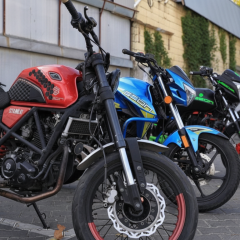
According to Главком: Between January 1 and June 23, 2023, a company based in the Silesian region of Poland shipped 177 cars and one motorcycle worth over €19 million to Russia, routing them through Belarus. This operation directly violated the EU sanctions regime. As a result, authorities imposed the maximum legal penalty of 20 million zloty on the firm.
The company transported these vehicles via Belarusian territory, breaching the prohibition outlined in the EU Council Regulation of July 31, 2014, which bans the sale, supply, or export of luxury goods to Russia. An investigation revealed that the entrepreneur was fully aware the products would ultimately reach a Russian buyer, a key factor in the decision to levy the highest possible fine. Officials from Poland's National Tax Administration stated:
'The administration imposed the maximum fine due to the scale of the scheme and the entrepreneur's knowledge that the goods were ultimately destined for a Russian client.'
Broader Sanctions Landscape
This case is part of a larger pattern: since the start of Russia's full-scale invasion, the European Union has rolled out over twenty sanction packages. Beyond this Silesian company's violation, other incidents include U.S.-based Eleview being caught supplying technology to Russia via Kazakhstan and Finland, and British regulators fining an Apple subsidiary for transferring funds to a Russian streaming platform. These examples highlight the severity of sanctions-related breaches and the global community's efforts to combat them.
Given the current geopolitical climate and international organizations' push for sanctions against Russia, the Silesian company's case underscores the challenges in enforcing these restrictions. Sanctions violations can have serious consequences not only for individual businesses but also for the economic stability of the countries that uphold them. This activity reinforces the need for stronger oversight and cross-border cooperation to prevent circumvention.
As the EU intensifies its sanctions regime against Russia, instances of violations are becoming increasingly frequent. For example, the recent case of a Polish firm underscores the ongoing challenges in enforcing these measures. In a related development, the U.S. has extended the license for Lukoil asset sales for the sixth time, highlighting the complexities involved in navigating international trade amidst sanctions. Such actions reflect the broader geopolitical landscape and the efforts of various countries to address compliance issues.

Read also