Over 12,000 Convicts Now Serving in Ukraine’s Armed Forces: The Restrictions Former Prisoners Face

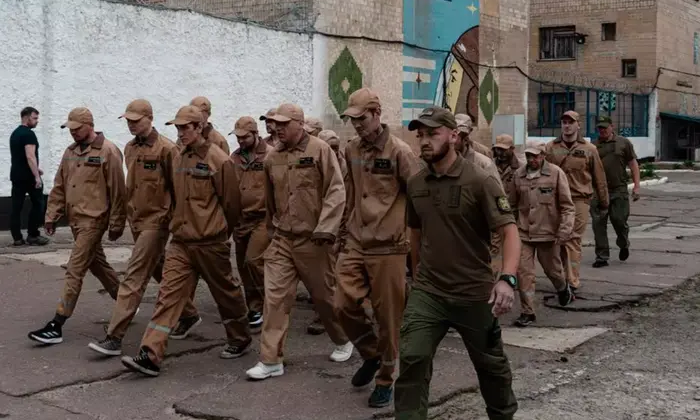
Efforts to Integrate Former Convicts into the Ukrainian Military
According to Главком: Two years ago, Ukraine’s government and parliament passed a measure allowing imprisoned individuals to join the country’s defense. By April 2024, more than 12,000 citizens had been released early from prison to serve in the Armed Forces of Ukraine (AFU). According to Yevhen Pikalov, the deputy justice minister responsible for the penitentiary system, this initiative has yielded positive outcomes, strengthening the military while also transforming the social standing of former inmates.
Challenges and Restrictions for Former Prisoners in the AFU
Former convicts who enlist in the AFU face numerous legal limitations. Under current law, they are not entitled to:
- leave or vacation time
- rank promotions
- transfers between units
- retraining or reassignment to non-combat roles
Additionally, these individuals can only be discharged from the military upon reaching age 60 or after being released from captivity. Among the women who have signed contracts with the AFU, 180 are required to continue serving even while pregnant or after giving birth.
Specialized units for former inmates operate within the AFU. One notable example is the 'Alcatraz' battalion of the 93rd Separate Mechanized Brigade (93rd SMB), whose commander goes by the call sign 'Validol.' Three soldiers from Alcatraz reportedly held a position near Kostiantynivka for 224 consecutive days. Other prisoner-staffed units, such as 'Shkval,' exist in most brigades. The commander of the 425th Separate Assault Regiment (425th SAR), call sign 'Sobor,' also noted that these units are actively integrating former convicts into military service.
However, former prisoners not only face restrictions during their service but also encounter societal stigma.
“People tend to focus on the negatives, but they overlook the fact that these individuals came out alive from positions where close-quarters combat was raging. Many might not have made it out at all,” said Shamil Krutkov, commander of the 93rd SMB.
He added that soldiers with extensive combat experience may be allowed to share their knowledge, even though formal rank advancement remains off-limits for them.
The National Memorial Cemetery may deny burial to a service member with an unexpunged criminal record. Ruslan Pletinka, deputy head of recruitment for the 3rd Army Corps, noted that 15 brigades and regiments in Ukraine currently include former convicts. Debates continue over reforming the rules for parole to enable military service. In late April, the Ukrainian Parliament’s Committee on Social Policy and Veterans’ Protection removed a provision from the National Memorial Cemetery bill that would have banned the burial of fallen soldiers with criminal records.
According to the Office of the Military Ombudsman, out of 4,000 complaints filed earlier this year, 3.5% concerned violations in the 425th SAR. The Unified State Register of Court Decisions records 131 verdicts related to desertion or other crimes committed by service members who were released under the special parole-for-service procedure. These cases include 23-year-old Maksym Kh., sentenced by the Trostianets District Court, and Vitalii R. from Mykolaiv, who had three prior convictions for theft and drug possession and received an eight-year sentence for a new offense.
The situation of former convicts serving in the AFU highlights the complexity of reintegrating such individuals into society after their sentences. The need for discussion and potential legislative reform is becoming increasingly clear, as it could affect the social adaptation of former prisoners and their role in defending the nation. Future steps to clarify the legal status of these service members may improve their conditions of service and their interaction with society, ultimately impacting overall security and stability in Ukraine.
As the integration of former prisoners into the Ukrainian military continues to evolve, understanding the eligibility criteria for enlistment is crucial. Many are curious about the specific requirements and processes that govern who can join the ranks of the Armed Forces. For a deeper look into these factors, you can explore who qualifies to serve in the AFU.

Read also