Denmark’s Prime Minister Secures Third Term After Two Months of Coalition Talks

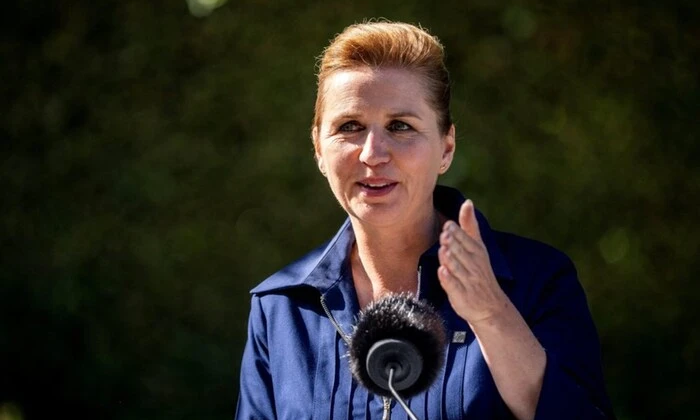
Denmark’s New Government Takes Shape
According to Главком: After a prolonged period of political uncertainty following the March parliamentary elections, Danish Prime Minister Mette Frederiksen has successfully negotiated the formation of a new center-left coalition government. This achievement allows Frederiksen to lead the country for a third consecutive term. The elections saw 12 political parties secure seats in parliament, triggering over two months of intensive coalition discussions.
Coalition Composition
The incoming government will consist of:
- The Social Democratic Party
- The Social Liberals
- The Green Left Party
- The centrist Moderates Party
This coalition will rely on backing from other political groups, particularly the Red-Green Alliance. Frederiksen, 48, who leads the Social Democrats, stated:
“I visited His Majesty the King and informed him that after lengthy negotiations, a government can now be formed.” - Mette Frederiksen
For the past four years, Frederiksen has led a broad coalition spanning both left- and right-wing parties. In early May, she informed King Frederik X that she could not form a new government after the first round of talks, prompting a decision to hold early parliamentary elections. The current parliament’s term was set to expire in the fall, but snap elections were scheduled for March 24-less than a year before its natural end.
The new government’s key priorities will be unveiled on June 2, with the full cabinet lineup announced on June 3. Frederiksen emphasized the administration’s broad vision, noting:
“This is a government platform for the people living in Denmark, for future generations, and for animals.” - Mette Frederiksen
These developments underscore Denmark’s active political landscape and its commitment to governmental stability.
The formation of Denmark’s new government reflects shifts in the country’s political landscape and an effort to ensure stability after protracted negotiations. The center-left coalition, comprising multiple parties, aims to introduce new policy initiatives tailored to modern challenges. It also signals a willingness among political forces to collaborate, which could positively influence Denmark’s socio-economic trajectory in the years ahead.
The recent formation of a new coalition government marks a significant turnaround for Denmark, especially considering the previous challenges faced by the Prime Minister. Just a few months ago, Frederiksen struggled to establish a government after an intense period of negotiations that lasted over six weeks. This context highlights the resilience of her leadership and the ongoing complexities within the Danish political landscape.

Read also