How Prigozhin Seized Rostov and Marched on Moscow: The Wagner Uprising's Endgame

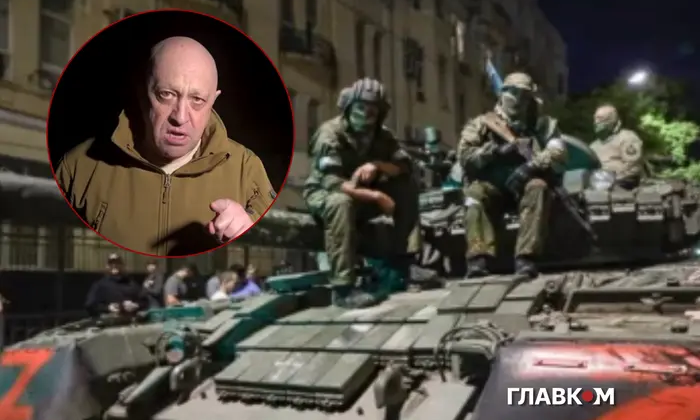
The Rebellion of the Wagner Private Military Company
According to Главком: On June 23–24, 2023, Russia witnessed an armed insurrection led by Yevgeny Prigozhin, the head of the Wagner private military company. The revolt began after Prigozhin accused the Russian military leadership of striking his units. In response, he captured the Southern Military District headquarters in Rostov-on-Don. That same day, the Federal Security Service (FSB) opened a criminal case under Article 279 of the Russian Criminal Code, which deals with organizing an armed rebellion.
On June 24, 2023, Wagner mercenaries entered Rostov-on-Don and Voronezh without facing resistance. During this time, Prigozhin met with Russian Deputy Defense Minister Yunus-bek Yevkurov. In a televised address, Vladimir Putin described Prigozhin's actions as a
“stab in the back of the country and its people.”
Civilian traffic on the M4 'Don' highway was halted, and advanced Wagner units were reportedly just 200 kilometers from Moscow.
On June 24, the press service of Alexander Lukashenko announced that negotiations with Prigozhin had taken place, during which he agreed to halt the advance and turn his columns around. Dmitry Peskov later confirmed that Lukashenko had acted as a security guarantor for Prigozhin in exchange for the criminal case being dropped and the retreat. On June 27, 2023, the FSB officially closed the criminal investigation into the armed rebellion.
Business Jet Crash and Aftermath
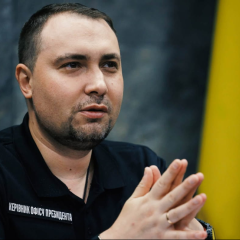
On August 23, 2023, a business jet-an Embraer-135 belonging to Prigozhin-crashed in the Tver region of Russia. On board were ten individuals, including Dmitry Utkin and Valery Chekalov. All ten passengers died. On August 27, 2023, the Russian Investigative Committee confirmed the identities of all deceased, including Prigozhin. Kyrylo Budanov, then head of the Ukrainian Defense Intelligence (GUR), stated that Prigozhin had been persuaded to end the rebellion by appealing to his patriotic beliefs.
The Wagner uprising marked a pivotal moment in Russia's political landscape, drawing widespread international media attention and public scrutiny. This event exposed deep internal fractures within the country and cast doubt on the stability of Putin's regime.
These developments highlighted growing tensions between private military companies and Russian state institutions, potentially reshaping domestic politics. The incident also captured global attention, signaling possible shifts in Russia's political landscape, which has become increasingly unpredictable amid both internal and external challenges.
The fallout from the Wagner uprising continues to unfold, with significant implications for Russia's security landscape. As tensions rise, recent events have highlighted the Kremlin's response to security threats. In a related context, Putin has addressed a massive drone attack on Moscow, revealing the government's stance on emerging challenges to its authority. Understanding these developments is crucial to grasping the broader implications of Prigozhin's actions and the current state of Russian security.

Read also