Ancient Egyptian Princesses Were Skilled Warriors, New Research Shows

Reassessment of Royal Mummies
According to НВ — Техно: A fresh analysis of five female mummies from Middle Kingdom royal tombs has revealed that certain princesses buried with weapons likely knew how to use them. Scientists found marks on their bones indicating muscle attachment sites consistent with intense archery training, alongside evidence of physical injuries. The study focused on six royal mummies discovered at Dahshur in the 1890s, which were re-examined in 2020 during a curatorial project at the Egyptian Museum.
Family Ties and Physical Evidence
Four of the six mummies belonged to sisters who were daughters of Pharaoh Amenemhat II. Princess Ita was interred next to Princess Khenmet, while Princess Itaweret was buried alongside an unidentified woman tentatively identified as Princess Satatormerit. A dagger was found in Princess Ita's coffin, linking her to martial traditions. The other two royal figures assessed were Princess Nub-Hotep and King Hor.
- Princess Ita: aged 28–34, with strong upper-body muscles and habitual weapon use.
- Princess Khenmet: aged 30–40, showing signs of bone thinning but robust connective tissue.
- Princess Itaweret: aged 20–34, who survived fractures to her ribs and foot, and was a skilled archer.
Dr. Zeynab Hashesh noted: 'We observed pronounced development in the upper limbs of these individuals, which correlates with repetitive, high-intensity actions such as drawing a bowstring or stabilizing a weapon, proving that these activities were habitual throughout their lives.'
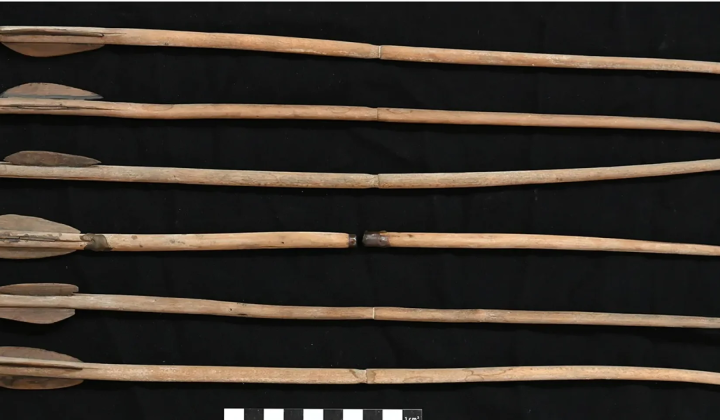
The research also uncovered infections and nutritional deficiencies in several individuals. The sisters exhibited rare spinal anomalies, suggesting close parental relations. Dr. Hashesh emphasized that 'royal family members, especially women, were active participants in skilled, physically demanding activities like archery and hunting.' This directly explains the presence of bows, arrows, and maces in female tombs-these were not merely symbolic gifts but tools they actively used.
Unfortunately, the princesses' skulls were lost in the early 1900s, complicating further study of their lives and physical capabilities.
This study opens new perspectives on the role of women in ancient Egypt, highlighting their active involvement in military and physical pursuits that were once considered exclusively male. The evidence of intense training and weapon use points to complex social and cultural norms of the time, which may reshape our understanding of women's roles in Egyptian history.

Read also