Edict from 480 AD Mandating Execution for Tax Fraud Discovered by Archaeologists in Turkey

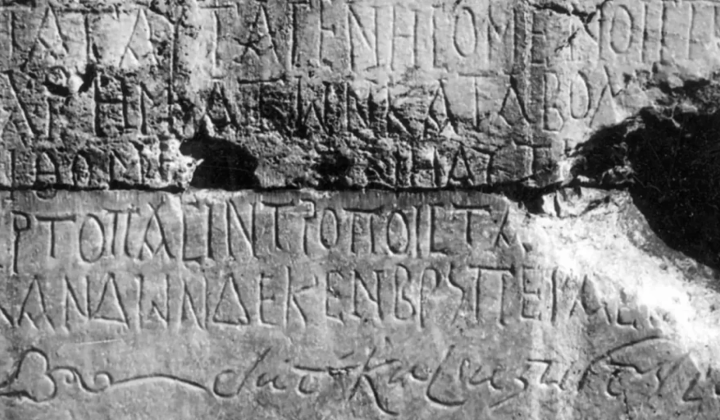
Inscription Fragments Reveal Tax Fraud Decree
According to НВ — Техно: In 2024, an international team that included researchers from the University of Warsaw found inscription fragments during excavations in western Turkey. Combined with earlier discoveries from Mylasa, Keramos, and Stratonikeia, the pieces brought to light a 480 AD edict on tax fraud at the estate of Placidia, the daughter of Emperor Valentinian III. The scheme involved issuing receipts without recording the actual amounts paid and giving the treasury in Constantinople understated reports. Complaints about such abuses had already surfaced around 465 AD. The late Roman state relied heavily on provincial tax revenues, so manipulating the system was seen as an attack on imperial authority.
The dig was headed by Professor Bilal Söğüt. Deciphering and interpretation were handled by Dr Paweł Nowakowski of the University of Warsaw's history faculty and Professor Mustafa Adak from Akdeniz University in Antalya. By comparing the newly found pieces with inscriptions already known from other cities, the team was able to recognise elements of a legal ruling promulgated in 480 AD by Flavius Il Pusaeus Dionysius, the Praetorian prefect of the East.
Corruption Scheme and Its Consequences
The corrupt practice worked like this: officials produced receipts for payments in cash and goods, but did not note the sum that had actually been handed over. The official records sent to Constantinople showed lower figures, and the difference went straight into the pockets of the officials. On August 1, 480, a decree threatened severe punishment, including death, for those who abused the imperial family's estate.
Flavius Il Pusaeus Dionysius, the Praetorian prefect of the East, sent a special envoy with orders to settle the case by December 1, 480, and warned that any official who failed to carry out the order would lose his property. Judging by the fact that the decree was carved and put on public display, the researchers suspect that the envoy completed his mission. The stonemasons, however, were not simple copyists: they altered word orders and rephrased sentences in different copies of the edict.
Between the fourth and sixth centuries, emperors issued at least eleven other directives about the proper issuing of tax receipts, but none of them called for the death penalty in cases of tax fraud. The later emperor Justinian allowed torture or amputation of limbs for similar crimes, yet he stopped short of execution. The 480 decree also imposed a fine of three pounds of gold on provincial governors and city defenders who ignored fraudulent activity.
“What mattered most was not the scale of the wrongdoing but the fact that imperial orders had been defied-a kind of rebellion or affront to the emperor's majesty. That is probably why officials who plundered the imperial family's estate faced such a severe punishment.” - Paweł Nowakowski
Flavius Il Pusaeus Dionysius was himself executed in 480 for conspiring against Emperor Zeno. The western Turkish finds therefore do more than illuminate a single tax scandal; they reveal the harshness of imperial edicts in the late Roman fight against corruption.
These inscription fragments make an important contribution to the study of economic practices and corruption in the Roman Empire. They show that weak tax compliance and dishonest officials are ancient problems, not modern inventions. They also demonstrate how imperial authorities used brutal punishments to enforce accountability, offering a cautionary example for contemporary governments trying to manage public money.

Read also