Employee Health Issues Cost UK Businesses Billions: A Strategic Guide to Solutions

The Rising Cost of Workplace Health in the UK
According to Achievers: Since 2018, costs to UK businesses related to employee health problems, burnout, and absenteeism have surged to £30 billion. This financial pressure underscores a critical need for companies to distinguish between core employment 'benefits' and strategic 'rewards'. Benefits are fundamental entitlements provided to all employees, which include:
- Sick pay;
- Maternity or paternity leave;
- Paid annual leave, with a legal minimum of 28 days.
In contrast, rewards are discretionary tools used to recognize employee effort and achievement, encompassing initiatives like wellbeing programs, performance bonuses, and formal recognition schemes. This distinction is vital for modern human resources strategy, as it moves beyond legal compliance to actively supporting staff.
The High Return on Investing in Mental Health
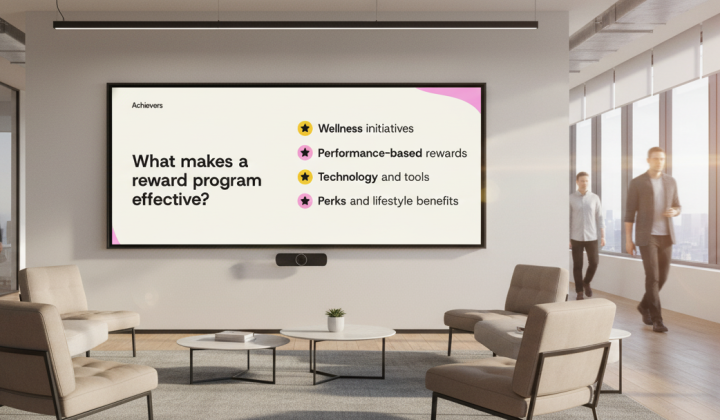
Investing in employee mental health and wellbeing delivers a substantial return, according to research by Deloitte. For every £1 invested in these areas, employers see an average return of £4.70 through gains in productivity. This is a crucial consideration given that, globally, depression and anxiety are estimated to cost businesses around 12 billion working days each year. Effective reward programs typically include several key components:
- Wellbeing initiatives;
- Lifestyle benefits and perks;
- Performance-based rewards;
- Supporting technologies and tools.
Wellbeing initiatives can range from mental health support and gym memberships to stress management programs. Lifestyle perks, such as flexible working arrangements, also significantly impact overall employee wellbeing and job satisfaction.
However, implementing such reward programs can face obstacles like budget constraints, a lack of leadership support, and employee resistance. To overcome these challenges, strategies leveraging data-driven insights, gathering continuous employee feedback, and using scalable digital platforms can be highly effective. Therefore, understanding the difference between basic benefits and strategic rewards, coupled with targeted investment in wellbeing, is critical for reducing workplace costs and boosting productivity.
This data highlights the growing business imperative of investing in employee mental health and wellbeing within the contemporary corporate landscape. As health-related costs continue to climb, companies should prioritize developing programs that not only enhance output but also foster the holistic welfare of their workforce. Adopting this approach can form the cornerstone of a successful, forward-looking human resources strategy that meets the needs of employees in today's demanding world.
As businesses grapple with the rising costs associated with employee health, understanding the importance of employee recognition becomes paramount. Research indicates that a mere one in four employees feel appreciated, highlighting a significant gap in workplace satisfaction. By exploring effective benefits and recognition strategies, companies can not only enhance employee morale but also mitigate the financial burdens of health-related issues.

Read also