LightHome Program Distributes 15.3 Million Hryvnias to 57 Buildings in First Two Weeks

The LightHome Program
According to Главком: Launched on January 28, the LightHome program has seen significant uptake, receiving 524 applications in its first two weeks. Of these, 493 have been processed. While 155 applications have been approved for payment and 338 require additional documentation, 57 applicants have already received compensation totaling 15.3 million hryvnias.
Starting Monday, payments for an additional 98 applications, amounting to 26.4 million hryvnias, are expected to be issued. This initiative is a critical response to Ukraine's ongoing energy challenges, providing grants for apartment buildings in Kyiv and the Kyiv region to install independent power sources. The grant amount is tiered based on the building's height:
- Buildings up to six stories: up to 100,000 hryvnias.
- Buildings from seven to sixteen stories: up to 200,000 hryvnias.
- Buildings of seventeen stories or more: up to 300,000 hryvnias.
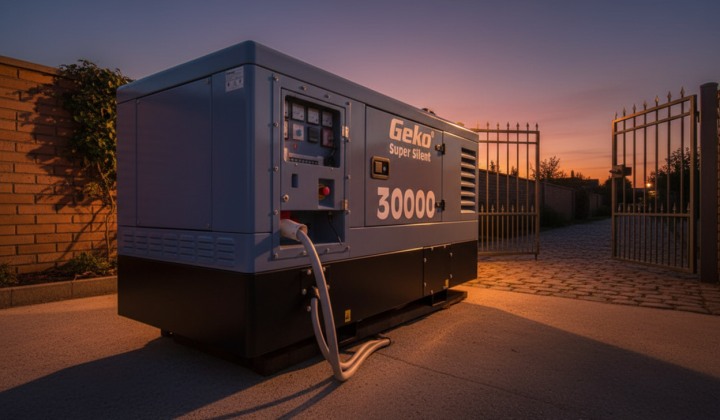
Buildings with attached, built-in, or rooftop boiler rooms, as well as multi-entrance apartment buildings from four to sixteen stories tall, are also eligible for grants of the same amounts. Funds can be used to purchase various equipment, including:
- Gasoline, diesel, or gas generators.
- Inverters.
- Batteries.
- Solar panels.
- High-voltage battery management systems.
Applications are open to associations of co-owners of apartment buildings, building managers, housing construction cooperatives, and service cooperatives, with the form of ownership being irrelevant. Oleksiy Kuleba noted that Kyiv's district state administrations and the Kyiv Regional Military Administration are contacting applicants to help correct errors in submitted documents.
Program Significance
The LightHome program is a vital initiative offering financial support to help apartment buildings achieve greater energy independence. This is particularly crucial given the current energy crisis, exacerbated by wartime conditions and infrastructure strain. By enabling residents to install their own power sources, the program not only improves resilience for individual communities but also helps alleviate pressure on the national grid.

Read also