Marco Rubio Details Iranian Proposals as U.S. Negotiations Show Signs of Progress

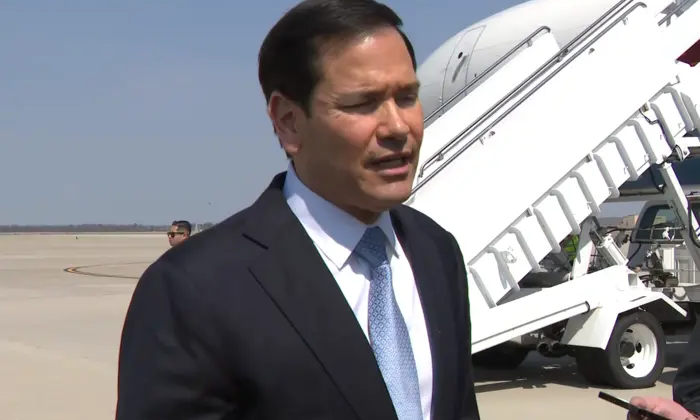
Advancements in U.S.-Iran Negotiations
According to Главком: On March 26, U.S. Secretary of State Marco Rubio reported progress in indirect negotiations with Iran, facilitated by third-party mediators. He made this statement before departing for a G7 foreign ministers' meeting in France. Rubio described the talks as complex and not conducted directly, stating:
“There are intermediary countries passing messages, and progress has been made-some specific progress has been achieved.”
Iran has submitted its own proposals to the United States, deeming the initial American plan unfair. U.S. Special Presidential Envoy Steve Whitkoff also suggested that Iran might be prepared to accept American terms for ending the conflict. The Washington-proposed plan contains 15 points, which Rubio indicated could form a basis for further dialogue. These diplomatic efforts are being closely watched, given the longstanding tensions and regional implications of any agreement.
Prospects for a Deal
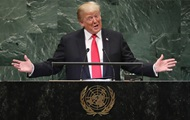
Speaking at a Republican fundraising dinner in Washington, U.S. President Donald Trump expressed the view that Iran's leadership desires an agreement. The negotiations remain a protracted and fluid process, requiring patience from both sides.
Progress in the U.S.-Iran talks suggests a potential pathway to a deal that could reduce bilateral tensions. With both parties indicating a willingness to engage in dialogue, positive regional developments may follow. However, the complexity and duration of the negotiations underscore the need for continued caution and patience in the steps ahead. Monitoring this process remains crucial for international policy and security, as the outcome could significantly impact Middle Eastern stability.
As the U.S. and Iran navigate these intricate negotiations, it's essential to understand the broader implications of recent proposals from Tehran. A landmark deal could reshape the diplomatic landscape, highlighting Iran's stance and the potential for a significant agreement that might ease regional tensions. Staying informed on these developments is crucial for grasping the evolving dynamics of international relations.

Read also