Carbon Border Adjustment Mechanism Could Cost Ukraine’s Industry $4.7 Billion

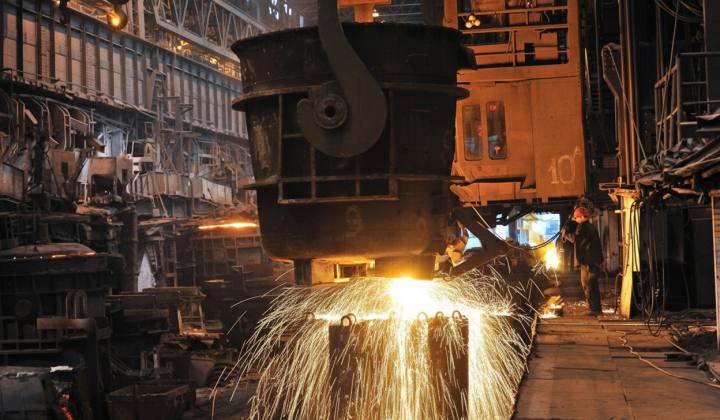
Ukrainian Industry Under Pressure: A Wartime Assessment
According to Главком: Ukraine’s industrial sector is facing severe headwinds amid the ongoing war, despite its critical role in the national economy. In 2025, the processing industry contributed 17.9% of all tax revenues to the state budget, underscoring its importance, according to the State Tax Service. In 2024, four metallurgical companies alone accounted for 1.6% of total budget revenues across all levels. However, this vital sector now confronts multiple serious threats.
Capital Investments and Emerging Risks
In 2022, industrial enterprises invested 259.1 billion UAH in capital projects, representing nearly 39% of the country’s total investment. More than 70% of these funds came from companies’ own resources. The sector remains the largest investor in Ukraine’s economy, creating well-paying jobs-in the first quarter of 2026, the average salary in metallurgy reached nearly 33,000 UAH, as reported by the State Statistics Service.
The war has already destroyed key production facilities, including the Azovstal and Ilyich Iron and Steel Works in Mariupol, slashing national steel output by almost two-thirds. This leaves Ukrainian exporters particularly vulnerable to the European Union’s Carbon Border Adjustment Mechanism (CBAM), which could impose losses of $4.7 billion between 2026 and 2030. Budgets at all levels risk losing approximately $1.3 billion due to CBAM’s impact.
Additional wartime challenges include heightened security risks, forced price discounts, and supply chain disruptions. There is also a growing threat of profit erosion from rising tariffs imposed by state monopolies and Ukrainian Railways. Preserving industrial capacity is both an economic and national security priority for Ukraine, which before the full-scale invasion was among the world’s top steel producers, exporting to markets from Europe to Latin America.
The current situation reflects the harsh realities of operating under wartime conditions, which have severely damaged production capabilities and export potential. Sustaining the industrial base is essential not only for economic stability but also for post-conflict reconstruction. Successfully navigating these challenges could determine whether Ukraine reclaims its position as a leading player in the global steel market.
As Ukraine’s industrial sector grapples with the repercussions of the war, its steel production has experienced a dramatic decline, contributing to a drop in the country’s global standing in the industry. This situation not only exacerbates the financial implications of the plummeting steel output but also raises concerns about the long-term viability of Ukraine’s economy amidst mounting external pressures.

Read also