Ukraine's Steel Output Plunges by a Quarter, Slipping in Global Rankings

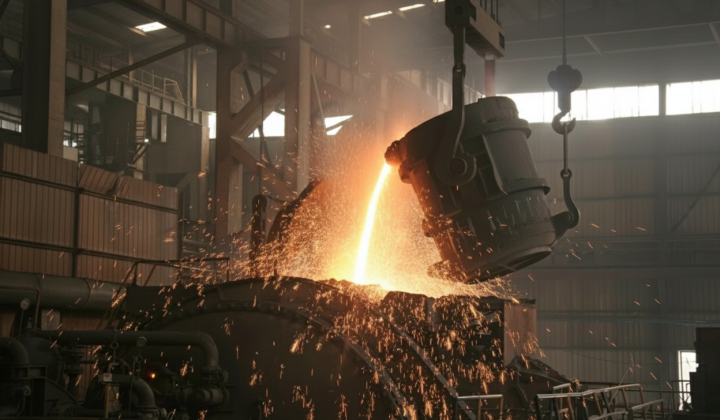
Sharp Decline in Ukrainian Steel Production
According to Главком: In April 2026, Ukraine's steel production fell 25.3% compared to April 2025 and 26.3% compared to March 2026. Output for the month totaled 517,000 metric tons, down from 692,000 tons in the same period last year and 702,000 tons in March 2026. This marks a significant contraction for the country's metals sector.
As a result of this steep drop, Ukraine now ranks 25th among the world's steel-producing nations, which includes 69 countries. The top five global producers are:
- China
- India
- United States
- Japan
- South Korea
Worldwide, steel production in April fell 1.9% year-on-year, reaching 153.45 million tons.
Reasons Behind the Production Slump
Since the start of 2026, Ukraine's steel output has dropped 7.4%, amounting to 2.25 million tons. Last year, the country held the 21st position globally. Industry experts point to several causes: new environmental regulations under the CBAM (Carbon Border Adjustment Mechanism), which require Ukrainian steelmakers to pay 74–76 euros per ton of CO₂ emissions at European rates; and reduced import quotas from the European Parliament, which nearly halve the duty-free steel import quotas.
Additionally, ArcelorMittal Kryvyi Rih has halted one of its key production units, further impacting total output. These challenges threaten the future growth of Ukraine's steel industry.
The decline in Ukrainian steel production stems not only from domestic issues but also from external economic pressures, including tighter environmental standards and changes in import quotas.
This situation could undermine the competitiveness of Ukrainian producers in global markets and lead to reduced investment in the sector. Amid intensifying global competition, Ukraine must find ways to adapt to new environmental requirements and revive production to improve its standing in the world economy.
The challenges facing Ukraine's steel industry are compounded by rising environmental regulations, prompting the country to seek adjustments in EU carbon tariffs. This move comes amid concerns that stringent measures could lead to a significant economic downturn. For a deeper insight into the potential implications of these tariffs on Ukraine's GDP, read more about the country's appeal to the EU regarding carbon tariffs.

Read also