Washington’s Iran Strategy Backfires as Kurds Refuse to Fight

Ethnic Minorities and the Stalled US Campaign in Iran
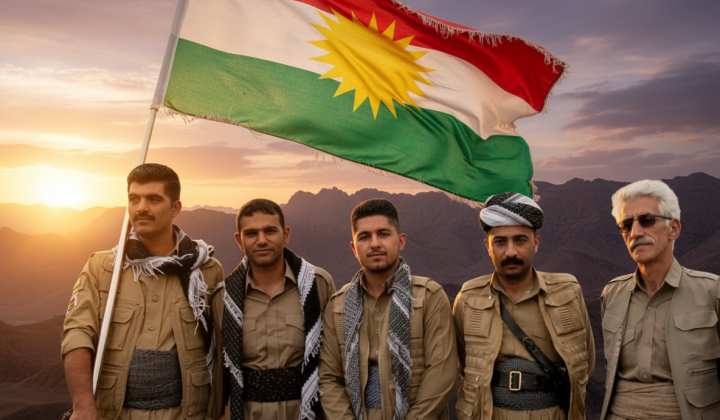
According to ХВИЛЯ: Washington’s efforts to destabilize Iran by arming ethnic minorities have hit a wall, as these groups show no interest in joining the conflict. Iranian Kurds deliberately chose not to enter the war, despite overtures from the United States. This was reported by Ilya Kusa, a Middle East analyst and political expert.
The United States attempted to supply weapons to local factions, including Kurdish groups. Donald Trump openly acknowledged Washington’s push to arm the Kurds, but those efforts failed. Iranian Kurds, who have their own priorities and needs, decided against getting drawn into the fighting. It is possible that Iraqi Kurds-under whose protection many of them live-talked them out of it. The Iraqi Kurds were unwilling to strain their relationships with Iran and Turkey, a factor that also shaped the decision of their Iranian counterparts.
Inter-Kurdish Dynamics and Regional Pressures
Syrian Kurds actively urged their Iranian brethren not to cooperate with the United States. According to Kusa, the arming attempts were far from sufficient to achieve Washington’s goals. The US tried to equip local groups, but nothing came of it due to unfavorable conditions. To properly arm and supply insurgents, a reliable local ally is needed to serve as a conduit for supply routes.
In this context, none of the regional countries-Turkey, Azerbaijan, Pakistan, or Afghanistan-showed any willingness to act as a partner for weapons deliveries. As a result, US efforts came to nothing, and Iran’s ethnic minorities, especially the Kurds, have made it clear they will not be dragged into armed conflicts that threaten their safety and stability.
This situation highlights the intricate geopolitical dynamics of the region, where local ethnic groups pursue their own interests, often clashing with external interference. The Iranian Kurds’ refusal to join the conflict may reflect a desire to maintain stability in their areas, as well as caution in dealing with neighboring states like Iran and Turkey. It also serves as a signal to the United States that its strategies for backing local factions do not always yield the desired outcomes.
In light of these developments, it is essential to consider the broader implications of the United States' approach to Iran, particularly the role of intelligence assessments. Recent analyses indicate that flawed intelligence may have significantly contributed to the setbacks in Washington's strategy. For a deeper understanding of how these miscalculations affected US operations in the region, read more about the impact of intelligence failures on US actions in Iran.

Read also