Putin Signs Law Allowing Asset Seizure for Criticism of the Government

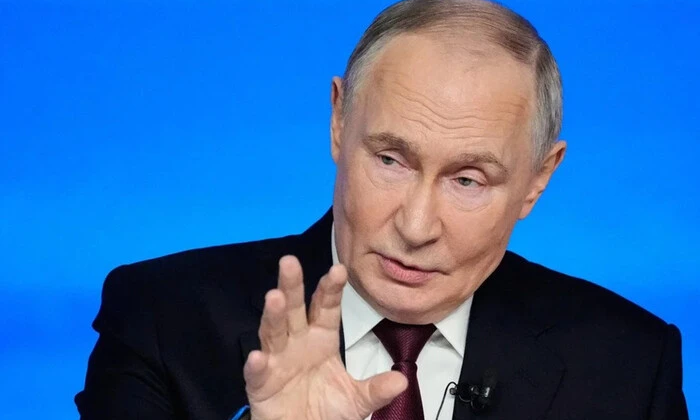
New Legislation on Property Confiscation
According to Главком: Russian President Vladimir Putin has approved a law that permits the seizure of personal property from citizens accused of offenses deemed to be against the interests of Russia. Effective September 1, 2026, this legislation enables authorities to freeze assets at the stage of drafting an administrative report, even before a court ruling is issued. Offenses that may trigger such seizures include:
- spreading false information about the Russian military,
- discrediting the armed forces,
- participating in undesirable organizations,
- violating foreign agent regulations,
- showing disrespect toward authorities, and
- misrepresenting historical events.
Rising Tensions and Tightened Control
In a related move, Putin has set the official size of the Russian military at 2.4 million personnel, including 1.5 million active servicemen. Meanwhile, Vyacheslav Gladkov, the governor of the Belgorod region, has proposed barring teenagers who commit offenses against the military or government from enrolling in higher education institutions.
As of June 10, 2026, the General Staff of the Armed Forces of Ukraine updated its estimates of Russian losses in the war with Ukraine, reporting that Russia has lost approximately 1,377,510 troops. This data underscores the ongoing military conflict and its toll on personnel.
The adoption of this law, combined with the military expansion, points to growing domestic tension and the Kremlin’s efforts to tighten its grip on civil society. Allowing asset seizure before a court verdict could escalate repression against dissenters. It also reflects Moscow’s push to control the information space and suppress any form of resistance.
The recent law on asset seizure is part of a broader strategy by the Kremlin to intensify control over dissent and reshape public perception. This follows another significant legislative change aimed at addressing draft evasion and altering historical narratives. For a deeper understanding of how these laws intertwine and impact civil liberties, read more about the government's measures against draft dodgers and historical revisionism.

Read also