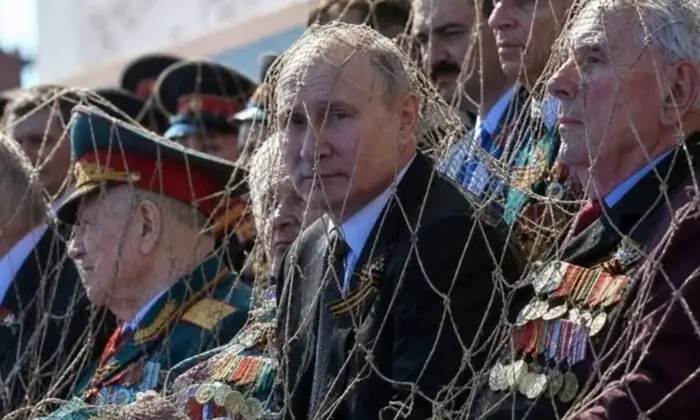
Putin Trapped by His Own Victory Day Parade on Red Square

Ukraine’s Multi-Layered Reflexive Game
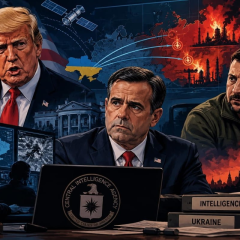
According to Главком: A complex reflexive game is unfolding in Ukraine across multiple levels, involving internal contradictions between the FSB’s Second Service and Kiriyenko. This situation highlights the roles of Bortnikov and Korolev within this political struggle. Reports of threats against Putin allegedly made by Shoigu, supposedly based on European intelligence, are not credible. The author considers this data false, emphasizing that even if such facts existed, they would not be disclosed to the media.
The Narrative Trap and Political Standoff
Putin has fallen into a narrative trap built on the concept of 'victory mania.' According to this narrative, it is impossible to cancel the parade, and equally impossible for him to skip attending. Attempts to negotiate with Ukrainian President Zelenskyy have failed, and promises of nuclear weapon use no longer carry weight. There is a real possibility of a strike on the parade itself or on air defense systems, creating a deadlock.
Aware of this predicament, the Ukrainian side has maneuvered Putin into a ceasefire initiative. Now, the author argues, Zelenskyy will decide whether the parade on Red Square can proceed. At the same time, there are concerns that drones-potentially under FSB control-could appear over Red Square. However, according to the author,
“they keep scaring him with terrible Ukrainian 'Evil Flamingos'”
to pressure him into granting security forces broader powers of control.
This situation underscores that the reflexive game is ultimately a competition for control over context.
“Whoever controls the context manages the actions or inactions of decision-makers,”
the author notes. In this complex political game, it is not only about physically controlling territory but also about managing the information space and its dynamics.
The analysis of the situation in Ukraine shows that internal political conflicts and strategic decisions can significantly impact regional foreign policy and security. The positions of key players such as Putin, Zelenskyy, and intelligence officials shape not only internal dynamics but also international relations, especially regarding potential military actions. In this context, it is crucial to monitor further developments that could affect stability in Ukraine and the wider region.
As the situation intensifies around the Victory Day parade, it's essential to understand the broader implications of Putin's heightened security measures. Analysts suggest that these precautions might serve as a psychological strategy rather than just a response to immediate threats. This perspective sheds light on the intricate dynamics at play and could provide further insights into the ongoing political maneuvering in the region.

Read also