Putin Opted to Leave the KGB While the Soviet Union Faced Its Greatest Challenge

Putin’s Decision During the Soviet Coup
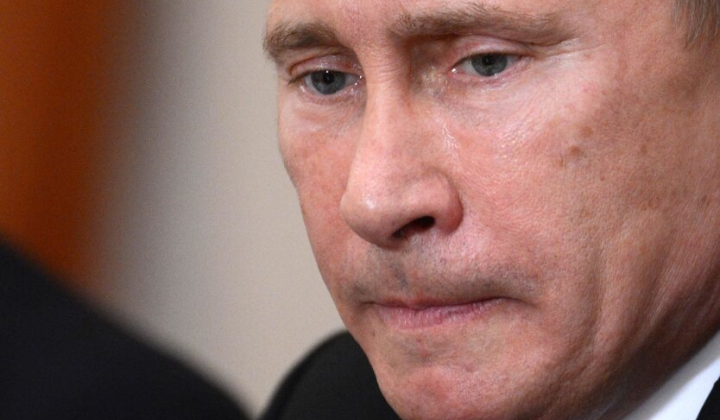
According to ХВИЛЯ: In August 1991, as the Soviet coup was underway, Vladimir Putin did not rally to defend his country. Instead, he filed a letter resigning from the KGB. He then began working with Anatoly Sobchak, the democrat who had been elected mayor of Leningrad. That information was revealed by journalist and writer Mikhail Zygar in a YouTube video, based on his book 'The Dark Side of the Earth'. The attempted coup that month was a pivotal moment in the collapse of the USSR.
What the Berlin Wall’s Fall Meant for Putin
In the documentary 'The Sobchak Case', Putin admits that he chose the side of Boris Yeltsin and Anatoly Sobchak during the coup, submitting a report requesting his dismissal from the security organs. Sobchak personally asked KGB chief Vladimir Kryuchkov to sign off on Putin’s report. According to Zygar, Putin had a choice: to keep training and become a spy at the level of West Germany, or to leave immediately for East Germany. He picked the second option.
Zygar also points out that the fall of the Berlin Wall was a personal disaster for Putin, since it signaled the end of his posting abroad and forced his return to Leningrad.
“Putin is a classic Soviet man who cares about nothing except his own personal comfort. What mattered most to a Soviet person? Jeans. Everything that happened to Putin in the late Soviet years was exactly that. At the moment of the coup, Putin did not try to defend the Soviet homeland or avert the greatest geopolitical catastrophe. On the contrary, on that very day he submitted his resignation from the KGB. Like a normal Soviet cynic, he never believed in any Marxist-Leninist ideology.” - Mikhail Zygar
Mikhail Zygar’s remarks highlight the significance of Vladimir Putin’s personal choice at a critical historical moment. His resignation from the KGB and cooperation with democrats reflect the shifts in the Soviet political landscape that later shaped the emergence of new Russian politics. That period proved decisive in Putin’s formation as a political figure, eventually enabling his rise on Russia’s political scene. Examining his decisions against this historical backdrop can shed light not only on the man himself but also on the broader social and political currents of the era.

Read also