Beyond the Tally: Why Halting Russia's Advance Outweighs Its Record Losses

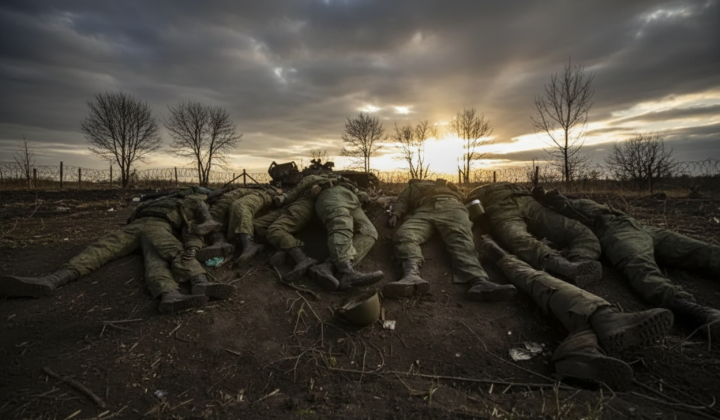
Deputy Commander Comments on Russian Military Casualties
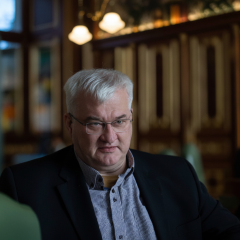
According to Главком: Deputy Commander of the Third Army Corps, Maksym Zhorin, has commented on the record daily losses suffered by Russian forces, which were recorded on March 17. On that day, the Russian army lost over 1,700 personnel, marking its highest single-day casualty count for 2026. As of the morning of March 19, 2026, the total personnel losses for the Russian Federation in its war against Ukraine stand at approximately 1,284,090 individuals.
Zhorin emphasized that effective defensive organization is crucial for halting the enemy's advance. He stressed the importance of stopping any Russian movement, particularly in the context of their strategic objectives, such as reaching the borders of Donetsk Oblast. This perspective highlights a key military reality: controlling territory often matters more than inflicting casualties in a war of attrition.
'Enemy losses are a critically important metric, but from a strategic viewpoint, it is also extremely important to stop any Russian advance.' - Maksym Zhorin
The enemy attempted to exploit deteriorating weather conditions and launched assaults on several fronts, including in Zaporizhzhia Oblast. Zhorin underscored that a properly adapted defense system can significantly impact the course of combat operations.
'A correctly adapted defense system will lead to the Russians simply being unable to advance any further. I believe this will also change the tone of negotiations.' - Maksym Zhorin
Thus, defensive organization and strategic planning could become decisive factors in the ongoing conflict.
The Critical Need for Frontline Adaptation
The rising casualty figures for Russian troops point to the serious challenges facing the Russian army on the front lines. A focus on effective defense and strategic planning can substantially influence the conflict's trajectory, highlighting the vital need to adapt to changing conditions. These factors may determine the war's subsequent phases and impact diplomatic processes on the international stage, where military realities directly shape negotiation positions.
The ongoing analysis of military engagements reveals a critical need for effective defensive strategies. For instance, recent updates on Russian losses provide further insight into the challenges faced by their forces, underscoring the importance of adapting defense systems in response to evolving battlefield dynamics.

Read also