Russia's UN Security Council Role: A Critical Look at the Failure of Global Security

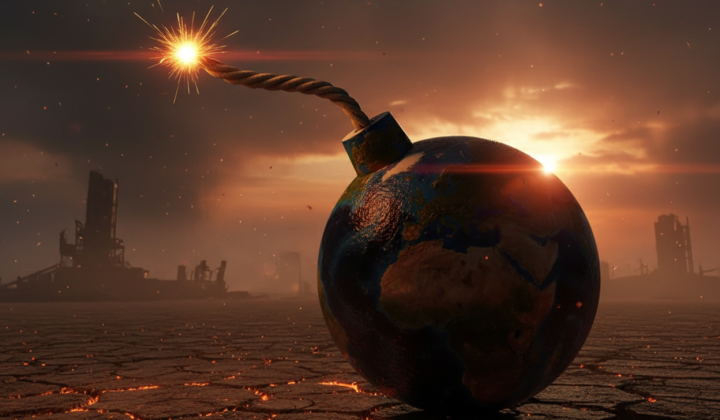
Russia's Stance on International Law Under Scrutiny
According to Главком: Russia's position on international law and the state of global security since the Cold War's end are subjects of intense debate among experts. Following the Soviet Union's dissolution, Russia inherited the USSR's permanent seat on the United Nations Security Council, a move that solidified its international standing. However, despite this pivotal role, the international community has failed to establish a new, effective security framework in the decades since, raising significant concerns about global stability.
Historical Precedents and Modern Failures
History shows repeated attempts to build global security structures. After World War I, the League of Nations was created to prevent conflict, and following World War II, the United Nations was established with enhanced mechanisms for maintaining peace. Yet, in the post-Cold War era, no comparable or effective system for ensuring global stability has been successfully developed. This failure is particularly relevant today, as geopolitical tensions challenge the existing world order.
Criticism of Russia's actions therefore extends beyond its specific policies to highlight a broader, systemic lack of progress in forging new international norms. The current security architecture remains inadequate, necessitating a fundamental rethinking of how nations cooperate. The modern world faces complex challenges that demand fresh solutions and initiatives to safeguard global peace.
The persistent security issues confronting the international community require active dialogue and collaborative efforts to resolve. The absence of new, robust security mechanisms risks further conflict escalation and instability, underscoring the urgent need for innovative approaches to international cooperation. Only through collective action and new initiatives can stability and peace be secured against contemporary threats.

Read also