Rotational Work Method: What It Is, Features, and Examples of Work Organization


The rotational work method is a specific form of organizing labor activity that involves the prolonged presence of employees at the workplace away from their permanent place of residence. However, what the rotational work method is still remains complicated terminology for many. After all, the rotational work method is profitable, yet not widely spread in Ukraine.
This approach is used to ensure the continuous functioning of production processes when the distance to the work site or the specifics of the tasks performed do not allow for daily returns home. The rotational method allows for work organization in hard-to-reach regions, at mining enterprises, in transportation, and at large construction sites. The main goal of such a regime is to optimize the workflow, ensure continuity of activities, and maintain employee safety.
What is the rotational work method

The rotational work method involves organizing the labor process in such a way that the employee travels to the place of task execution for a certain period (usually from several days to several weeks), after which they return home for a defined rest period. During the rotation, employees reside in specially equipped living spaces or dormitories, provided with meals, and necessary living conditions. This approach allows for engaging employees in work in regions with limited infrastructure or where the remoteness of the site makes daily return home impossible. The rotational method also involves preliminary planning of work schedules, strict adherence to shifts, and ensuring proper rest to maintain work capacity.
Main signs and features
The main signs of the rotational method are prolonged presence at the workplace away from a permanent place of residence, organized accommodation and meals for employees, as well as a defined schedule for work and rest. This method differs from the standard regime in that employees work continuously during the rotation, then have a rest period. A feature is also the presence of clearly established rules regarding labor safety, medical services, and health monitoring. The rotational method provides that work is performed according to special schedules, with the possibility of replacing or shifting employees to avoid overwork and maintain task performance efficiency.
Regulatory framework for the rotational work method

In Ukraine, the rotational work method is regulated by the Labor Code and normative acts that define the specifics of organizing working time, rest, and working conditions. Importantly, the rotational method is applied only with the agreement of the employee and in the presence of a corresponding order or employment contract. The legislation establishes norms for working hours during the rotation, restrictions on the maximum time spent at the site, requirements for the organization of meals and living conditions, as well as procedures for medical services and employee insurance. Compliance with these norms helps to prevent abuses, ensure labor protection, and legality in applying the rotational regime.
When the rotational work method is applied
It is also worth mentioning examples of the rotational work method. The rotational method is most often used in the mining industries, such as oil extraction, gas industry, mining sector, construction of important infrastructure facilities, and work in remote regions. It is also applied in the transportation sector, on sea or river vessels, in rotational construction brigades, and for seasonal work over large areas. The selection of this method is driven by the need to ensure a continuous production process, increase workforce efficiency, and avoid risks associated with daily travel over long distances.
Organization of work by rotational method
The organization of work by rotational method involves clear planning of schedules, providing living and domestic conditions, creating a system for meals and monitoring the execution of work. The enterprise must prepare living spaces in advance, equip a medical unit, and ensure transportation for employees. It is important for work groups to have enough personnel for continuous task execution, as well as a system for replacing employees if needed. The organization of rotational work also requires keeping records of working hours, monitoring task execution, and fulfilling labor protection requirements.
Work and rest regime in the rotational method
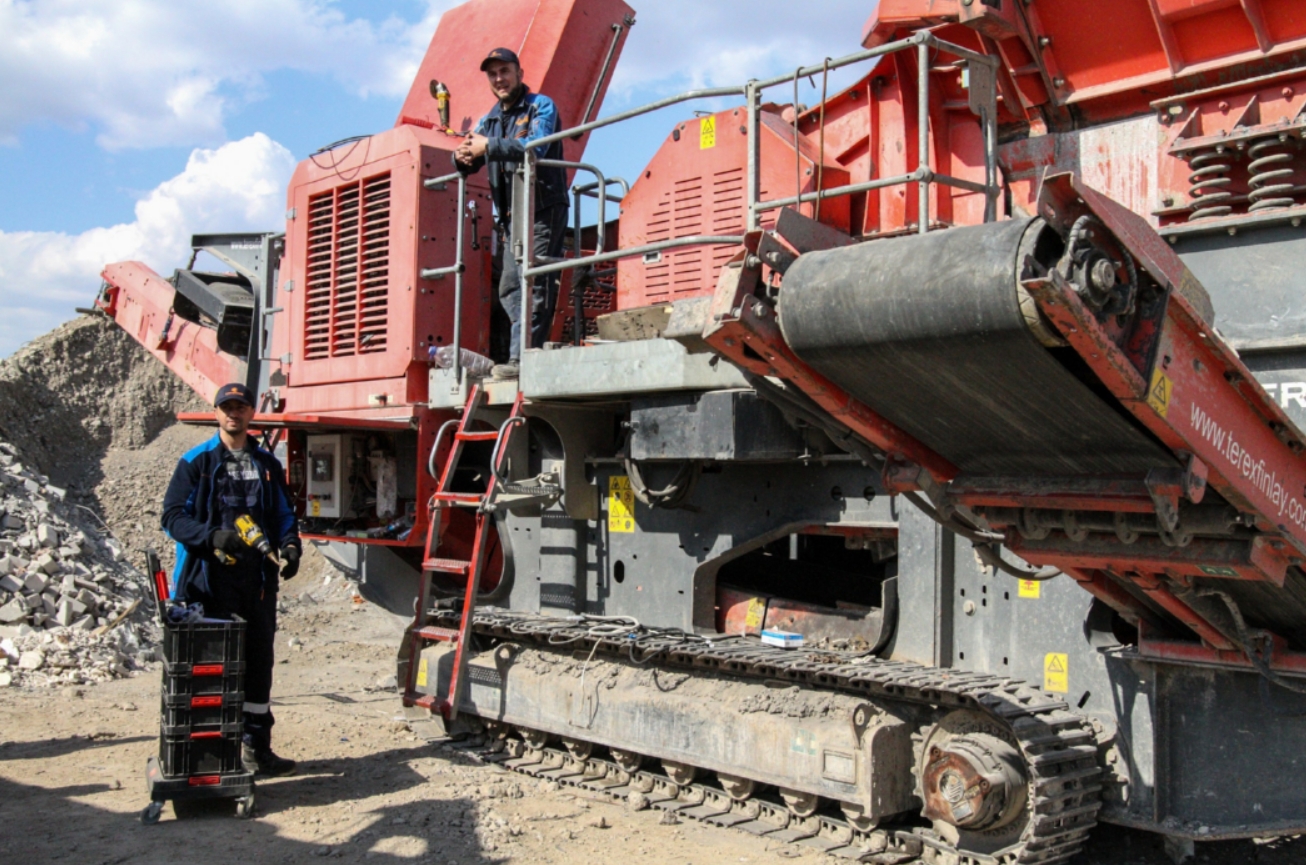
The work and rest regime is a key element in organizing the rotational method. Legislation defines the maximum allowable working hours, periods of continuous work, and mandatory rest after the completion of the rotation. Employees must have the opportunity to restore physical and mental productivity, so rest periods are organized in a way convenient for the staff. In addition, breaks during the workday, shift rotations, and compliance with sanitary norms in living quarters are established.
Accounting for working hours and payment
Accounting for working hours in the rotational method is kept separately from the standard regime and includes both actual working hours and travel time to the rotation site. Payment may include increased rates or allowances for difficult working conditions, work in remote areas, as well as compensation for prolonged absence from home. The enterprise is obliged to keep records of worked hours, calculate wages according to the rotation schedule, and provide employees with full information about accruals and payments. This approach ensures transparency, compliance with labor legislation, and motivates employees to effectively fulfill their duties.
Overall, the rotational work method is an effective tool for organizing labor activity under conditions of remote or hard-to-reach sites. It combines special requirements for schedules, living conditions, accounting for working hours, and payment, allowing for production continuity and the safety of employees.
Guarantees and compensations for employees

Employees who work by the rotational method have a number of legislatively established guarantees and compensations that protect their rights and prevent excessive burdens. First and foremost, the enterprise is obliged to ensure safe working and living conditions during the rotation. This includes equipping living spaces, providing proper meals, sanitary-hygienic conditions, and access to medical assistance. Additionally, the employer is responsible for organizing transportation for employees to and from the rotation site, which is an important aspect of maintaining their health and safety.
An important component of guarantees is the proper documentation of working hours and payment. Legislation stipulates that work by the rotational method should be paid according to the number of hours worked, taking into account the difficulty of working conditions and the remoteness of the site. Employees may receive additional bonuses or allowances related to long rotations, working in hard-to-reach areas, or under increased risk conditions. The enterprise must also adhere to the rules for granting annual vacations, including additional time for rest after completing a rotation, allowing employees to recover their physical and mental strength.
Another important guarantee is the adherence to labor legislation regarding the maximum allowable norms of working hours. Legislation determines restrictions on the duration of continuous work during rotations, mandatory breaks, and shift rotations, helping to prevent overwork. Employees also have the right to medical services, accident insurance, and compensation for living and meal expenses during work in a remote region.
In case of violations of the rights of employees working by the rotational method, they can appeal to the labor inspection, trade union, or judicial authorities to protect their interests. Employees must be informed about all the guarantees and compensations at the stage of concluding the employment contract, as well as potential risks and work conditions of the rotational method. This approach helps to ensure a balance between the interests of the employer and the rights of employees.
Advantages and disadvantages of the rotational work method
The rotational work method has several significant advantages for both parties to the employment contract. For the employer, the main advantage is the ability to ensure production continuity and perform important tasks in regions where daily returns home are impossible or economically inefficient. Organizing rotational shifts allows for maintaining a high level of productivity, effectively distributing resources, and planning the workflow without downtime. The rotational method also provides an opportunity to engage qualified specialists who are ready to work in remote or challenging conditions, expanding the enterprise's workforce potential.
For employees, the advantages lie in the opportunity to receive higher wages, additional allowances, and bonuses for difficult working conditions. The rotational regime often allows employees to save time on travel since they stay at the workplace throughout the entire rotation period, as well as ensures clearly defined rest periods. For some employees, working by the rotational method becomes attractive precisely due to a high level of financial incentives and organized living and meal conditions at the work site.
At the same time, the rotational method has certain disadvantages and difficulties. For employees, long stays away from home can become a source of psychological stress, leading to decreased quality of life. The lack of familiar home comfort, limited social contact, and prolonged separation from family can lead to emotional exhaustion. Additionally, working by the rotational method requires a high degree of physical endurance and stress resistance since conditions at the work site can be harsh-extreme weather, limited space for rest, and specific occupational hazards.
For employers, a disadvantage can be the need for additional expenses in organizing housing, meals, medical care, and transportation for employees. It is also important to properly organize shift schedules, keep track of working hours, and monitor compliance with labor legislation, which requires additional resources and attention. Furthermore, violations of rotational work organization rules can lead to fines, employee complaints, and decreased production efficiency.
Despite these drawbacks, the rotational method remains an effective tool for organizing labor under specific conditions, especially in remote or hard-to-reach regions. Its advantages-ensuring production continuity, the potential to attract qualified specialists, and increasing material motivation for employees-make it a relevant way of organizing work in many industries. At the same time, the successful application of the rotational method requires adherence to legislative norms, attention to labor safety, the organization of rest, and guarantees for employees.
The proper combination of a guarantee system, compensations, clearly defined work schedules, and organization of living conditions allows minimizing negative consequences for employees while providing a high level of productivity and safety for the enterprise. Guarantees and compensations, along with a clear organization of the rotational process, make working by the rotational method effective for both employees and employers, ensuring the stability of production and satisfying the labor needs of both parties.

Technical compliance with legislation, schedule planning, safety monitoring, and creating comfortable living conditions during rotation are key factors determining the success of working by the rotational method. Employees, knowing their rights and guaranteed compensations, feel confident in the safety and legality of labor relations, which enhances their productivity and loyalty to the employer.
Modern enterprises increasingly combine traditional and electronic tracking of working hours, applying motivation and control systems, optimizing rotational shifts. This allows achieving maximum effect from labor organization in hard-to-reach areas, ensuring a high level of safety, and increasing the overall productivity of employees.
In conclusion, the guarantees, compensations, and benefits of the rotational method, along with an understanding of its disadvantages, allow both parties-the employer and the employee-to cooperate effectively, achieving production goals and ensuring a high level of labor rights protection. Organizing the rotational process remains an important aspect of modern personnel management in industry, construction, transportation, and other sectors where production continuity and work under specific conditions are necessary.

Read also