ANYmal Robot Dogs Now Equipped with Digital IDs to Unlock Doors Autonomously in Industrial Facilities

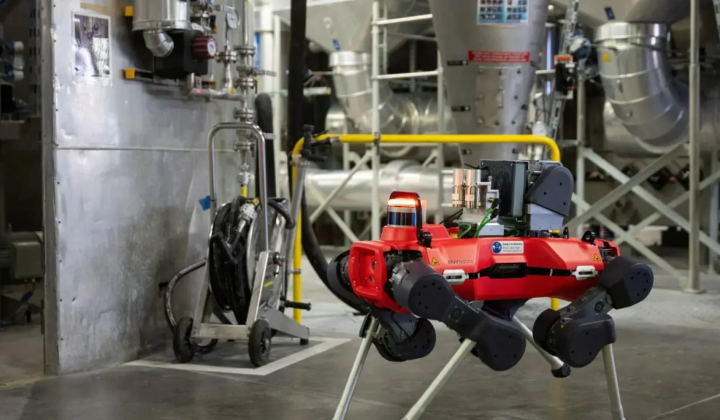
Introducing Digital Identity Passports for ANYmal Robot Dogs
According to НВ — Техно: On September 28, 2023, Swiss firm ANYbotics, in partnership with dormakaba and LEGIC, unveiled an innovative digital identification system designed specifically for their ANYmal robot dogs. This technology empowers these autonomous robots to unlock secured doors within controlled industrial environments, enabling them to patrol facilities without human intervention. Such advancements mark a significant step forward in automating security operations and boosting both safety and operational efficiency in industrial settings.
Key Technologies and System Benefits
ANYmal robots have been outfitted with digital passports that allow seamless interaction with door hardware. Many unlocked doors are fitted with radar proximity sensors and dormakaba ED 100 or ED 250 automatic door closers. This equipment can be retrofitted onto existing doors, including heavy-duty fire-resistant ones commonly found in industrial plants.
For accessing locked or high-security areas, the robots utilize an electronic LEGIC module functioning as a wireless access credential. The LEGIC signal is authenticated by the factory’s exos access control system, which then releases the electronic lock after verifying the robot’s digital credentials. This setup ensures robust and secure access management.
- Dispatchers have the ability to program robot routes and schedules.
- Security measures such as gateway cameras, turnstiles, and guards continue to operate without interruption.
- Operators can remotely assume control of the robot if unexpected obstacles arise.
David Fuller of ANYbotics stated, “This pilot project pushes access control systems beyond traditional human use. Reliable authentication of autonomous machines is becoming a cornerstone of next-generation industrial automation.”
The implementation of digital IDs for ANYmal robot dogs highlights ongoing progress in automation and access control within industrial facilities. Integrating these technologies reduces the likelihood of human error and enhances overall security standards. With increasing safety requirements across industries, such innovations are poised to become standard practice, opening new avenues for automation development. Employing robotic systems for patrol and access control can also lead to reduced security costs and improved operational productivity.

Read also