Boston Dynamics' Robot Dogs Set to Debut at the 2026 World Cup

Robots Enter the Field at the 2026 FIFA World Cup
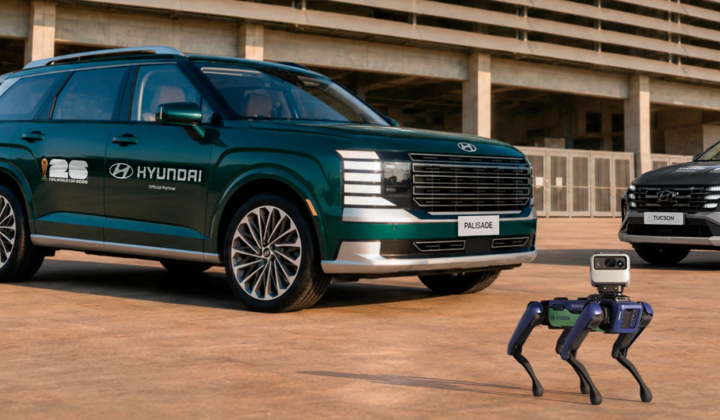
According to НВ — Техно: On June 12, 2026, Boston Dynamics-a company owned by Hyundai Motor Group-deployed four of its Spot robot dogs for duty at the 2026 FIFA World Cup. This marks the first time such robots have been used in FIFA-sanctioned events. These specially configured robotic canines will operate at the International Broadcast Centre in Dallas, as well as at stadiums in New York and New Jersey.
Logistics and Innovation on a Global Stage
Beyond the robots, Hyundai is also handling transportation for teams, officials, media, and staff across 16 host cities located in the United States, Canada, and Mexico. The company’s fleet for this massive undertaking includes:
- 994 passenger cars
- 506 buses
These vehicles come from both the Hyundai and Genesis brands, with hybrid models included in the mix.
The introduction of Spot robot dogs at the World Cup highlights Hyundai’s commitment to cutting-edge technology and its integration into large-scale international events. This move underscores a broader push toward automation and advanced solutions in high-profile settings.
Deploying robots at a landmark event like the FIFA World Cup signals a growing trend of automation and the adoption of new technologies across various industries.
This initiative not only showcases the company’s technical capabilities but also sets a precedent for other event organizers aiming to boost efficiency and safety on major international platforms. By incorporating robotic solutions, Hyundai reinforces its innovation-driven reputation, which could enhance its global market standing.
As the World Cup approaches, innovations in robotics are gaining attention, with Boston Dynamics' Atlas robot recently mastering the art of soccer. This development not only complements the deployment of robotic players at the event but also highlights the evolving role of technology in sports. The synergy between these advanced machines and traditional gameplay could redefine the future of athletic competitions.

Read also