Russia Cuts Off Telegram in Occupied Ukrainian Regions, Isolating Residents

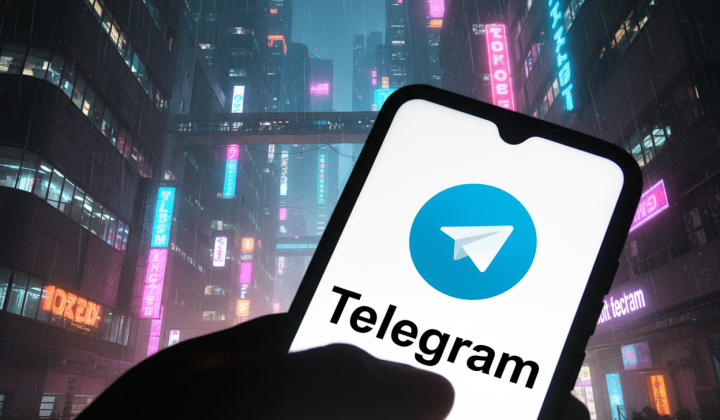
Telegram Blocked in Ukraine and Russia
According to Главком: Russian occupation authorities have begun blocking access to the Telegram messaging app in temporarily seized regions of Ukraine, including Zaporizhzhia, Kherson, Donetsk, and Luhansk oblasts. Residents report being unable to access the service without specialized tools. In the Shchastia district of Luhansk Oblast, even attempts to make a call to Ukrainian-controlled territory using a VPN proved nearly impossible. This move severely restricts a vital channel for communication and information sharing in these war-torn areas.
Within the Russian Federation itself, an early blocking of Telegram has also commenced, despite a full-scale restriction being officially announced for April 1. Technical issues with the platform have been recorded in Russia's largest cities, indicating significant operational disruptions for the service.
Attempts to Control the Information Space
The Russian government is simultaneously pushing users toward an alternative messenger called Max, aiming to reduce Telegram's popularity. In a related move, a Russian court has fined Telegram over $400,000 for five episodes of administrative offense. These actions highlight the continuation of a repressive policy toward popular communication services both within Russia and in the occupied territories of Ukraine.
The blocking of Telegram in Ukraine and Russia illustrates the escalating tension in the information space, as well as attempts to control civilian communication.
This is likely to have a significant impact on the exchange of information among citizens, especially in regions where access to independent news sources and communication is already limited. Such measures could lead to further isolation of these territories from the outside world and complicate the work of human rights organizations attempting to document violations.
The recent restrictions on Telegram in occupied Ukrainian regions are part of a broader trend of controlling communication channels. As public sentiment in Ukraine reflects a complex relationship with messaging apps, many citizens oppose outright bans while calling for enhanced regulation. For a deeper understanding of this dilemma and its implications for information freedom, see how the majority of Ukrainians feel about the balance between oversight and accessibility in our detailed report.

Read also