Russia Plans Autumn Mobilization as Contract Soldier Recruiting Collapses

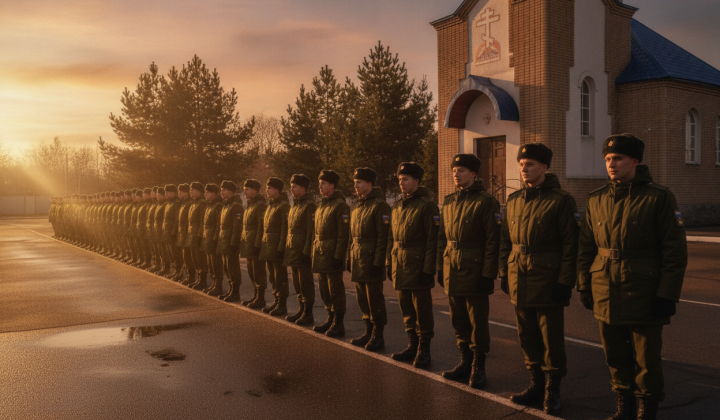
Russia's Contract Soldier Recruitment Crisis in 2026
According to ХВИЛЯ: By 2026, Russia is experiencing a sharp decline in contract soldier enrollment, a drop in recruit quality, a slowdown in offensive operations, rising recruiter bonuses, and renewed discussions about another wave of mobilization. In spring 2026, Moscow's inflow of new recruits fell by one-third compared to the same period in 2025. In April 2026, the capital sent 1,708 contract soldiers to the front, a figure that dropped to 1,378 in May-1,000 fewer than in May 2025.
At the start of 2026, contract soldier numbers showed signs of growth during US-mediated negotiations. However, by late February 2026, the flow of recruits began to decline again. According to the Institute for the Study of War (ISW), Russian forces captured roughly 23 square kilometers in March 2026. The DeepState project labeled May 2026 as the month with Russia's smallest territorial gains in several years.
Additionally, referral payments to recruiters surged from 358 million to 802 million rubles per month, and Russian regions spent at least 7.7 billion rubles on recruitment. Job advertisements offering 10 million rubles in signing bonuses appeared in China and Belarus. Eight sources linked to the Russian presidential administration reported rumors and possible preparations for a new wave of mobilization, potentially in autumn 2026-specifically in October, after elections. However, no final decision on a new mobilization has been made yet.
Military Challenges and Potential Consequences
Military analysts note a significant slowdown in Russia's offensive, which is creating problems within the army. One mobilized soldier remarked:
“They’re pulling people from prisons, from the streets. Literally homeless people. It’s a burden for everyone.”
Another contract soldier from the Kharkiv direction emphasized:
“We’ve been fighting over 300 square meters since January. There are many wounded and killed. This is a buffer zone, with Kharkiv ahead. We’re barely holding on. We lack everything: people, shells, drones.”
The situation in Russia highlights serious difficulties in recruiting new soldiers and growing concerns about a potential decline in military quality. Authorities are forced to seek new solutions, including the possibility of another mobilization, as the crisis on the front becomes increasingly evident.
The drop in contract soldier enrollment and the rise in recruiter payouts point to substantial problems in army staffing, which could negatively impact combat readiness. Amid growing pressure on Russia's military forces, a new mobilization wave may become necessary to maintain troop numbers. However, such a move could trigger social unrest and protests among the population, given the rumors already circulating. Overall, the situation underscores the complex challenges Russia faces in its military strategy.
The ongoing recruitment challenges faced by Russia's military are prompting a shift towards less conventional methods of enlistment. Reports indicate a move to covert conscription that targets vulnerable populations, such as students and prisoners. For a deeper understanding of these tactics and their implications, read more about how this strategy is evolving in the current military landscape here.

Read also