Russia Proposes Charging for International Internet Access: What Subscribers Would Pay

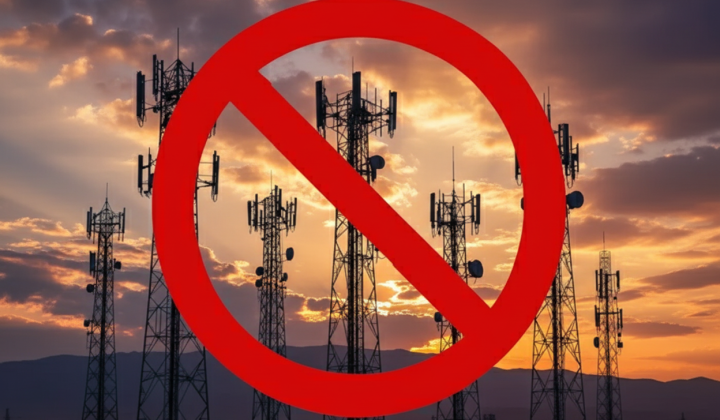
Russian Government’s Plans for Internet Infrastructure
According to Главком: Authorities in Russia are working to reshape the national internet segment into a state-controlled system. As part of this effort, they aim to impose economic restrictions, including a fee on international internet traffic for mobile users. Preliminary estimates suggest this charge could be around $2 per gigabyte. Consequently, heavy VPN users consuming 25–30 GB monthly may face significant costs.
Telecom operators in Russia have requested a delay in implementing the new tariffs until September 1. As part of a broader market reform, the Ministry of Digital Development plans to reduce the number of license types from 17 to 3. To obtain a general license, companies would need capital of at least $1.3 million, while a basic license would require $66,000-a notable drop from the current minimum threshold of $134,000. Predictions indicate that over 90% of small operators, roughly 4,200 companies, would fail to meet the new requirements.
Tightening Control Over Internet Traffic
In a bid to strengthen oversight of internet traffic, the timeline for deploying the SORM system-which grants the FSB access to traffic data-is being shortened. Previously, operators had up to two years to implement SORM, but that window may now be reduced. It is worth noting that a moratorium on planned inspections of operators is currently in place until 2030, but the Ministry of Digital Development intends to lift it.
These measures are part of a broader strategy to overhaul the pricing model, which could significantly impact the financial stability of telecom operators in Russia. Amid declining oil and gas revenues and a budget deficit, the country is also selling off its gold reserves, highlighting the severe economic challenges it faces.
The introduction of new tariffs on international internet traffic and changes in licensing policy could lead to major shifts in Russia’s telecommunications market. - Source: Ministry of Digital Development of the Russian Federation
Rising internet costs for users, along with the potential closure of small operators, may reduce market competition, ultimately affecting service quality. Given the broader economic context in the country, these changes could have far-reaching consequences for public access to information technology and online resources.
As the Russian government tightens its grip on internet access, the recent decision to ban Starlink and disrupt mobile internet across numerous regions adds another layer of complexity to the nation's digital landscape. This move raises critical questions about how these restrictions might affect users and the overall internet infrastructure. For a deeper understanding of the implications of these changes, check out our detailed report on Putin's response to the internet bans.

Read also