Russia Expands Military Infrastructure Near Finnish Border, With New Base 115km Away

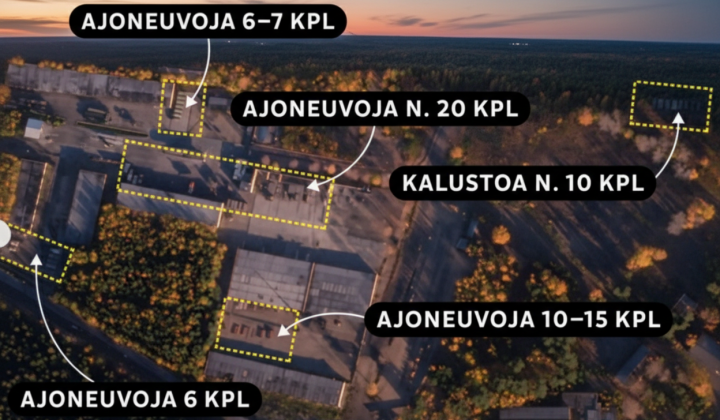
Russian Military Infrastructure Near Finland
According to Главком: Satellite imagery and analysis confirm Russia is significantly expanding its military infrastructure close to the Finnish border. According to a report by the Institute for the Study of War (ISW) and imagery published by Finnish broadcaster Yle, active construction is underway at the 'Rybka' military base in Petrozavodsk, Republic of Karelia. This base, located approximately 175 km from the Finnish border, features a large airfield and equipment depot but had been largely abandoned since the early 2000s. Under new plans, the base is slated for use by Russia's 44th Army Corps (44 AK). This development follows Finland's historic accession to NATO in 2023, fundamentally altering the security landscape of Northern Europe.
Further satellite images from May and August 2025 confirm the construction of a new military garrison in Kandalaksha, Murmansk Oblast. This site is only about 115 km from the Finnish border. Work on the Kandalaksha garrison began in the winter of 2024-2025 and is intended to house the Lupche-Savino garrison, a new artillery brigade, and an engineering brigade.
Threats to NATO and Regional Security
These expansions are part of a broader Russian military reorganization. In 2024, Russia restructured its Western Military District (WMD) and Moscow Military District (MMD), forming the 44th Army Corps within the WMD. Lieutenant General Gerald Funke, head of the German Armed Forces Support Command, has highlighted the gravity of the situation, stating:
"Russia could attack NATO countries within the next two to three years" - Gerald Funke
This underscores the serious threats facing the Alliance. NATO has also documented an increase in joint Russian and Chinese military activity in the Arctic, signaling growing tension in a region of critical strategic importance.
The buildup of Russian military infrastructure near Finland's borders points to strategic shifts in Moscow's military doctrine, with significant implications for regional security. Amid heightened tensions between Russia and NATO, these actions are likely to prompt an increased Alliance military presence in the Baltic region and more frequent military exercises. The situation in the Arctic also warrants close attention, as the deepening cooperation between Russia and China may present new challenges to international security in this vital zone.

Read also