What's Behind Russia's Push for an 'Anchorage Formula' in Ukraine Talks?

The 'Anchorage Formula' Controversy
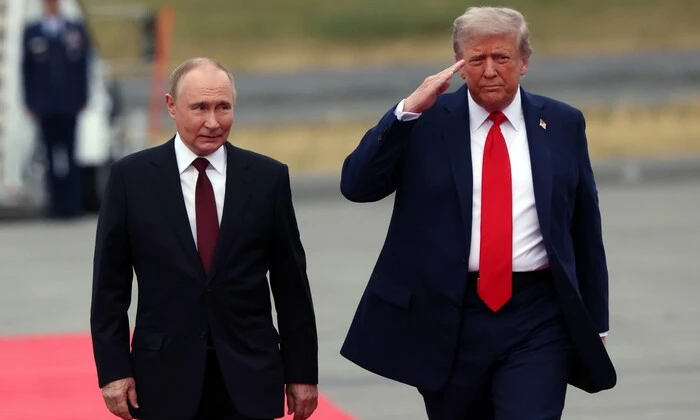
According to Главком: Russia is promoting what it calls the 'Anchorage Formula' as a foundation for peace negotiations concerning Ukraine, claiming it was agreed upon during a U.S.-Russia summit in Alaska in August 2025. However, the United States and independent analysts deny any such formal agreements exist. Official statements from both sides have been notably vague or evasive on the matter.
Observers note that Russia has begun actively advancing this framework. Following the Anchorage summit, former U.S. President Donald Trump publicly stated there was 'no deal,' raising further doubts about the credibility of claims regarding bilateral understandings. In subsequent moves, the United States has expanded intelligence sharing with Ukraine and imposed sanctions on Russian oil giants Lukoil and Rosneft.
Energy Truce and Ambiguous Statements
Furthermore, an energy truce between Russia and Ukraine, declared in late January, ended on the night of February 1, potentially signaling a deterioration in the situation. Dmitry Peskov, press secretary for the Russian president, remarked, 'We do not wish to publicly delve into the details of the provisions under discussion.' He added, 'I cannot and will not discuss the precise nature of the 'Anchorage Formula'; it would be impractical.'
One U.S. official suggested that countries typically state their maximalist demands publicly before allowing their private negotiating teams to work with some flexibility. Meanwhile, U.S. representative Anna Kelly pointedly noted:
“You would have to ask them,”
referring to the Russian side.
Thus, the situation surrounding the 'Anchorage Formula' remains unclear, and the next steps taken by both sides could significantly impact the future of peace talks. This diplomatic maneuvering occurs against the backdrop of a protracted war that has drawn in global powers and reshaped European security. The discussion of this formula appears to be a Russian effort to strengthen its negotiating position, while the lack of clear accords and public U.S. denials underscore the complexity and ambiguity of the current diplomatic landscape. The subsequent actions of both nations, along with the response of the international community, will likely be decisive for the course of events in the region.

Read also