Russia Overtakes Iran as Syria’s Top Oil Supplier After 75% Surge in Shipments

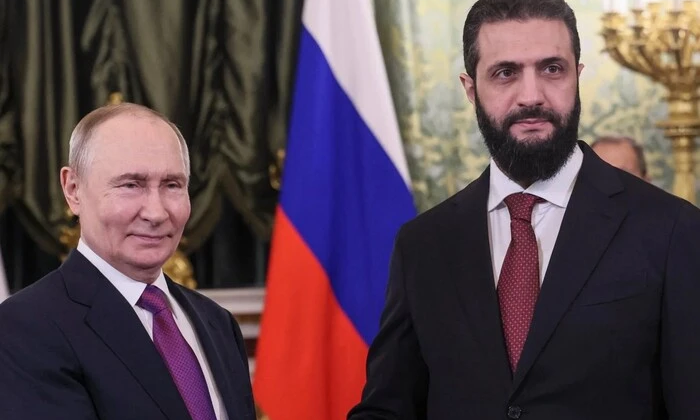
Russia’s Growing Role in Syria’s Oil Market
According to Главком: By 2026, Russia had become the leading supplier of crude oil to Syria, with deliveries jumping 75% compared to 2025 levels. Daily shipments from Russia to Syria reached 60,000 barrels. This shift followed the collapse of the Assad regime in December 2024, which allowed Moscow to seize a dominant position in Syria’s oil sector. Previously, Iran had been the primary source of crude for Syria, but the balance of power has now tilted in Russia’s favor.
Sanctions and Strikes on Oil Infrastructure
As of 2026, 21 vessels transporting Russian oil to Syria are under Western sanctions. These ships sail under the flags of Panama, Madagascar, Oman, Russia, and other nations, highlighting their international nature and the difficulty of enforcing restrictions. Meanwhile, Syria’s state oil company reports that the country is actively seeking alternative suppliers and is working to finalize a petroleum deal with Turkey-a move that could reshape regional energy dynamics.
In April 2026, Ukraine carried out at least 21 attacks on Russian oil infrastructure. These strikes targeted refineries, pipelines, and offshore facilities, inflicting losses estimated at no less than $7 billion on Russia. That month marked the most intense phase of Ukraine’s campaign since it began, recording the highest number of assaults on Russian oil assets in four months. The previous monthly record for such strikes was set in December 2025.
Ukrainian leader Volodymyr Zelenskyy stated that 'Ukraine’s long-range sanctions have reached a new level across three dimensions: reducing Russia’s oil revenue, increasing the distance of our reach, and intensifying the sanctions themselves.'
Analyst Karaa Shaar commented that 'if the United States fails to reach an agreement with Russia on the war in Ukraine, it would come as no surprise if Washington immediately orders Syria to stop purchasing Russian oil.'
Overall, the oil supply landscape in Syria as of 2026 reflects major shifts in geopolitical power, with Russia taking the lead while Ukraine’s persistent strikes on Russian oil infrastructure continue to pressure Moscow’s economic performance. Syria’s search for new suppliers and the potential for a deal with Turkey suggest that further changes in regional energy policy may be on the horizon-developments worth monitoring closely.
As Russia expands its influence in Syria's oil sector, it faces significant challenges from ongoing military actions. Notably, drone strikes have severely impacted Russian oil production, leading to daily losses that could affect its supply capabilities. This escalation underscores the volatile nature of the region's energy landscape and the potential repercussions for global oil markets.

Read also