Russia Could Rebuild Its Military Within 5 to 7 Years, Posing a Greater Threat to Europe

Assessing the State of Russia’s Military After the War in Ukraine
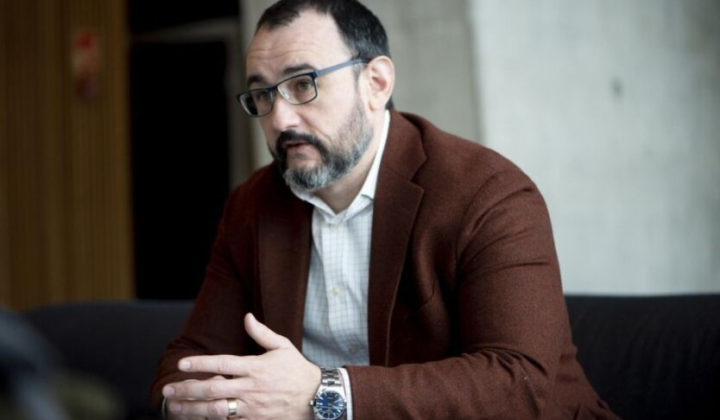
According to ХВИЛЯ: In an analysis for Foreign Affairs, U.S. military analyst Michael Kofman examines the current condition and future outlook of Russia’s armed forces following the conflict in Ukraine. He argues that Russia will continue to be a danger to Europe, predicting it will reconstruct its military in five to seven years, ultimately fielding a larger force than before the invasion despite suffering massive losses. However, the quality of its troops has declined, and its economy faces significant challenges. Kofman urges NATO to begin preparing for this threat immediately.
Russia’s Military Recovery Efforts
According to Kofman, Russia is likely to rebuild its military within five to seven years. The number of Russian troops has grown from roughly 850,000 to 1.3 million, even after sustaining at least 400,000 soldiers killed in action. Additionally, between 600,000 and 800,000 Russian soldiers have been seriously wounded. In response to these losses, Russia is now producing millions of tactical drones annually, and in 2025 it manufactured over 70,000 large strike drones. For 2026, Russia has already contracted for at least another 100,000 such drones.
The military is also ramping up production of T-90M tanks, and Moscow has either matched or exceeded its pre-war levels of armored fighting vehicles. However, new contract soldiers often receive no more than two weeks of training. Since 2024, assaults have been conducted by groups ranging from six to eight soldiers down to just one or two. Russia’s economic situation is also concerning-unemployment has dropped to 2.2 percent, but the military relies heavily on Soviet-era equipment stocks that are dwindling. Western sanctions are limiting the production of machine tools and components.
“Russia was and remains a state in decline. But this decline is gradual, not sudden.” - Michael Kofman
Kofman notes that Russian military development is a process of 'two steps forward, one step back.' He also warns that NATO armies are not prepared to fight in an environment saturated with cheap drones. Despite these challenges, Russia remains a leading nuclear power with an advantage in tactical nuclear weapons.
Kofman’s conclusions underscore the importance of NATO’s strategic preparation for potential threats from Russia, given changes in military structure and technology. With the rapid advancement of drone technology and the expansion of troop numbers, allies must reassess their military strategies and readiness for new challenges. This situation could significantly reshape Europe’s security architecture in the coming years.
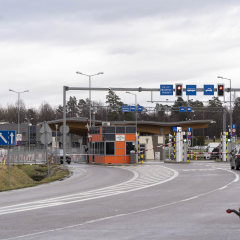
As Russia embarks on its military reconstruction, the emergence of new military infrastructure near NATO borders highlights the growing threat to regional security. Understanding these developments is crucial, as they may significantly impact NATO's strategic responses in the coming years.

Read also