A $131 Million Night: Analyzing Russia's Massive January 20th Strike on Ukraine

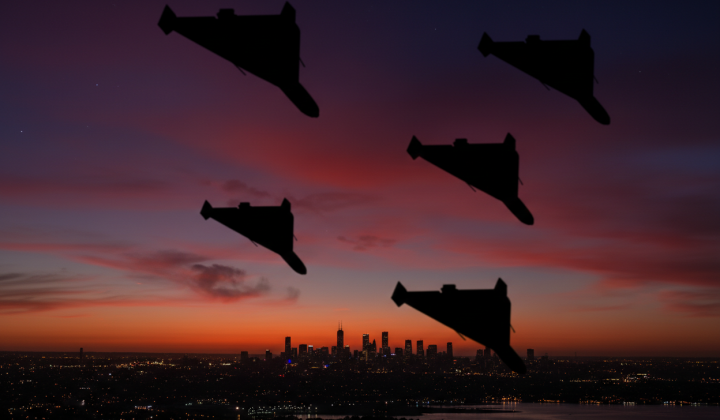
Massive Aerial Assault Targets Ukraine
According to Главком: In a major escalation, Russian forces launched a massive aerial assault against Ukraine in the early hours of January 20, 2026. The attack involved 372 different types of offensive weapons, with the total cost of the munitions fired exceeding $131 million, or over 10.2 billion rubles. This strike, one of the most intense in the history of the conflict, has drawn significant attention to the Kremlin's future intentions in the region. The scale of this single-night expenditure highlights the immense financial resources Russia continues to pour into its war effort.
The weaponry used in the assault included:
- 'Iskander' ballistic missiles
- Kh-101 cruise missiles
- 'Zircon' hypersonic missiles
- 'Geran', 'Harpy', and 'Gerber' unmanned aerial vehicles (drones)
- RM-48U training missiles
This diverse arsenal has raised serious concerns about regional and international security.
Kremlin's Regional Strategy
Coinciding with this military action, the Kremlin approved a document titled 'Strategy for the Sustainable Development of the Azov Sea Region until 2040.' This strategy explicitly references occupied Ukrainian regions, including Donetsk, Zaporizhzhia, and Kherson. Notably, the cost of the January 20th attack is comparable to the annual budgets of some Russian federal subjects like Kalmykia and the Nenets Autonomous Okrug, underscoring the staggering financial scale of the military aggression. The timing of this strategic document's approval suggests a coordinated effort to cement long-term control over seized territories.
This event marks a significant milestone in the conflict, demonstrating not only Russia's growing military capabilities but also its clear intent to maintain control over Ukrainian land. Shifts in Russian policy and new strategic frameworks could profoundly impact regional stability, relations between the warring nations, and the broader international community monitoring the situation.

Read also