Post-Repair Rocket Launch from Baikonur Encounters In-Flight Anomaly

Baikonur Launch Resumes Following Pad Repairs
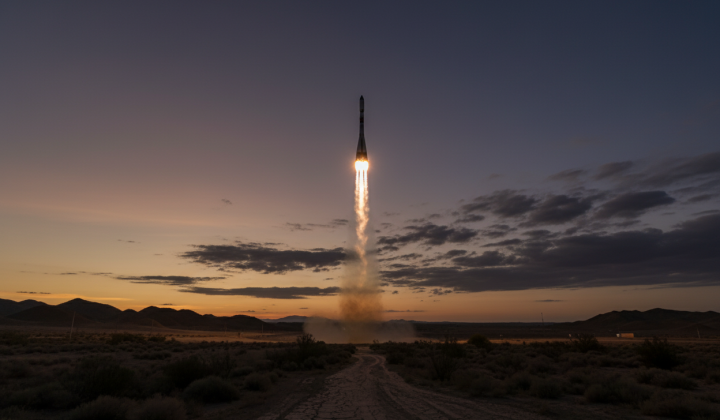
According to Главком: Russia has conducted its first rocket launch from the Baikonur Cosmodrome since completing repairs to a damaged launch pad. The successful liftoff of the Soyuz-2.1a rocket, carrying the Progress MS-33 cargo spacecraft on March 22, restored the country's capability to send missions to the International Space Station. The spacecraft was successfully inserted into orbit.
Mission Faces Technical Difficulties
After reaching orbit, a technical issue emerged: one of the antennas for the Kurs docking system failed to deploy. The Kurs system is responsible for automated rendezvous and docking procedures. As a result, the docking with the ISS is now planned to be performed manually by the crew of the station's Russian segment. Specialists are currently monitoring the spacecraft's flight parameters and preparing for the final approach phase.
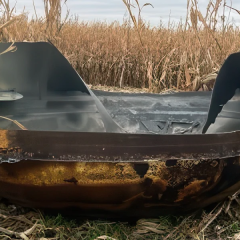
This launch marks a significant step in reviving Russia's space program, which was hampered for several months after an incident involving a service cabin at Baikonur. The loss of launch capability from this key site complicated the logistical support for the Russian segment of the ISS. The Baikonur Cosmodrome, located in Kazakhstan, has been the historic launch site for Soviet and Russian spaceflight for decades. While the pad is now operational, the newly encountered technical problem places the onus on the crew to successfully complete the manual docking, which is critical for delivering the station's vital supplies.

Read also