Russia will oblige bloggers to publish propaganda: what sanctions threaten

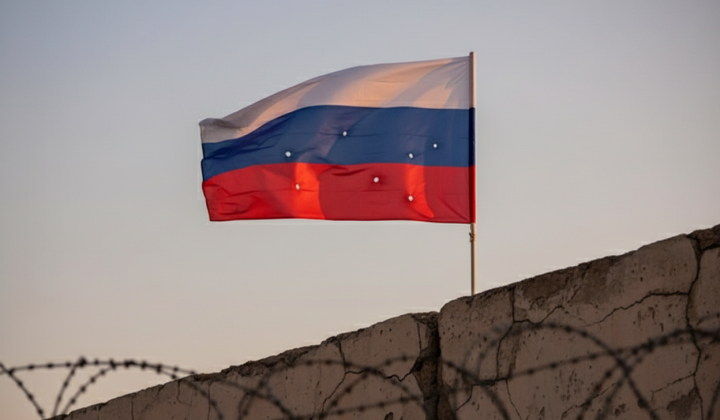
Control of the information space in Russia
According to Главком: The Russian authorities plan to introduce new coercive mechanisms for bloggers, obliging them to publish propaganda materials. This is part of the strategy to control the information field, which includes sanctions for those who refuse to cooperate with the regime. Owners of popular channels and accounts with a large audience will be forced to place advertisements promoting the Kremlin's narratives.
If they refuse to comply with these new requirements, bloggers may face harsh sanctions. This initiative underscores the growing control of the Russian authorities over the information space, especially in the face of modern challenges. Part of this campaign is an active PR campaign on social media aimed at promoting the narrative of the 'revival' of Mariupol.
The condition of Mariupol and cultural initiatives
It should be noted that during the siege of Mariupol, the city suffered greatly: up to 90% of the residential stock was destroyed, and the population decreased from 420 thousand to 100 thousand residents. The occupying administration is preparing to open the building of the drama theater in Mariupol, where a performance 'Little Red Flower' is planned to take place at the end of December. These events indicate the Russian authorities' desire to control not only the information but also the cultural space in the region.
The efforts of the Russian authorities regarding the control of the information space highlight the importance of propaganda in the context of war and political changes. By obliging bloggers to publish certain materials, the authorities seek to ensure the dissemination of their narratives, especially when information is a powerful tool of influence.
Control over cultural initiatives, such as performances in Mariupol, reflects the Kremlin's desire to shape public opinion and promote the image of a 'revived' city, despite its destruction and humanitarian consequences. This may have a significant impact on the perception of events both in Ukraine and beyond.

Read also