Fuel Crisis Drives Russians to Buy Horses in Record Numbers

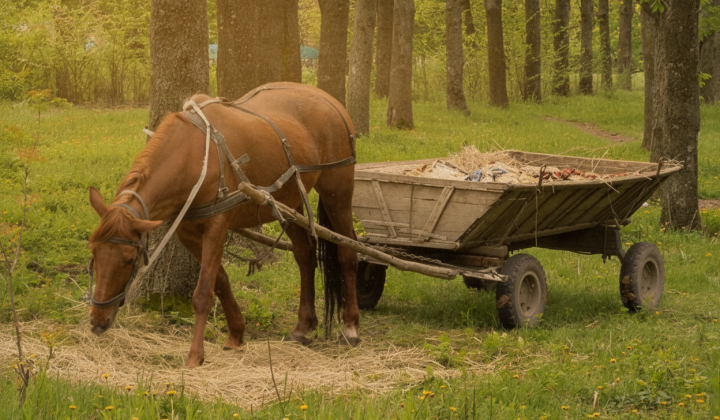
Surge in Horse Purchases Across Russia
According to Главком: As fuel shortages worsen, many Russians-especially in rural areas-are turning to horses as a substitute for cars. Over the past month, buyers have been purchasing or reserving seven to eight horses at a time, compared to the previous norm where selling a single mare took two to three months. This shift indicates that for many, the cost of keeping a horse is now lower than filling up a vehicle.
The fuel crisis has reached a nationwide scale, with 53 regions imposing restrictions on gasoline sales to private cars. Major Russian oil companies have stopped selling fuel in canisters, further aggravating the situation. Across the country, long queues at gas stations are common, and in some areas, tensions have escalated into conflicts and brawls among drivers.
Economic Realities of Horse Ownership
For many Russians today, it is cheaper to travel to forests and hayfields or manage household tasks using horses and carts. Filling up SUVs has become significantly more expensive, and for numerous villagers, maintaining a horse still proves more economical than owning a car. A horse in a Russian village costs roughly 100,000 to 200,000 rubles, with upkeep expenses including:
- hoof cleaning
- horseshoe replacement
- hay
- veterinary services
This development highlights how Russia’s fuel crisis continues to intensify amid Ukrainian strikes on oil refining infrastructure. Russian drivers are increasingly forced to fight not only for a spot in line but literally for the chance to refuel their vehicles.
The rising demand for horses in Russia may signal a shift in population mobility, particularly in rural areas where automotive infrastructure is often inadequate.
It also reflects how Russians are adapting to new economic realities, where traditional modes of transportation are becoming impractical or prohibitively expensive. As the fuel crisis deepens, other changes in consumer behavior-such as growing interest in alternative transport-are likely to emerge. This situation warrants ongoing monitoring, as it could significantly impact both the economic and social fabric of life in Russia.
The shift in transportation methods is not isolated, as the fuel crisis has escalated to affect over 50 regions across Russia. With restrictions on fuel sales and rising tensions at gas stations, the situation is becoming increasingly dire for many drivers. For a deeper understanding of how this crisis is impacting the daily lives of Russians, explore the widespread fuel shortages across the country.

Read also