VPN usage surges among Russians as Kremlin tightens internet censorship

Russia’s Growing Internet Crackdown
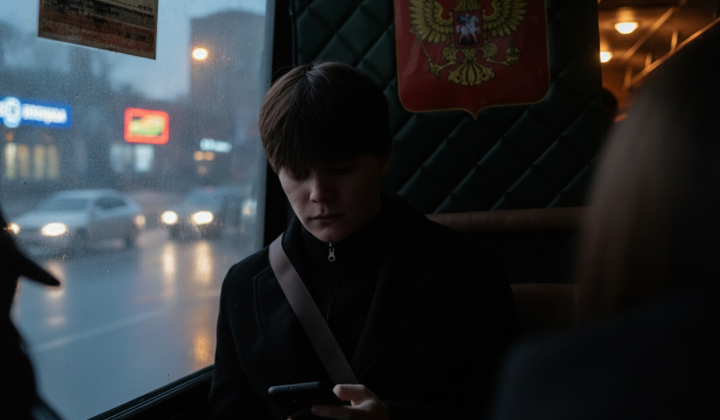
According to Главком: Since the beginning of 2026, the Kremlin has intensified its grip on the internet, driving a massive spike in VPN adoption across the country. To bypass blocks, many Russians now rely on a second phone or a virtual private network. According to Moscow-based analytics firm Digital Budget, VPN downloads from Google Play hit 9.2 million in March-14 times higher than the same month last year. The share of Russians using VPNs jumped from 23% in 2022 to 36% in 2026.
The Kremlin has taken increasingly aggressive steps to control online access. The FSB, for instance, has ordered telecom companies to shut down mobile internet in certain regions for days at a time. In April, major banks, government agencies, and large e-commerce platforms like Wildberries began blocking users who connect via VPN, causing the platform to lose 10% of its traffic. A three-week outage in Moscow this March further highlighted the fragility of internet access.
Political Fallout and Public Sentiment
President Vladimir Putin’s approval rating has taken a notable hit, dropping from 75.1% in February to 65.6% in April-its lowest level since the full-scale invasion began. However, state-run pollster VTsIOM later reported a recovery to 67%. The September parliamentary elections loom large, and ahead of them, the Kremlin has softened its rhetoric. A planned surcharge for exceeding 15 GB of foreign data per month was postponed until after the vote.
Many internet users are voicing frustration with the new restrictions.
“It’s a constant headache, but what can you do? You get used to it-spending your days turning VPNs on and off, switching between messengers and different virtual countries,” said Irina, a Moscow-based interior designer.
Another source close to the Kremlin noted, “Even if you’re not doing anything wrong, nobody wants the FSB reading their messages.” Irina added, “There’s a Russian saying: there’s nothing more permanent than something temporary.”
Russia’s tightening of internet controls reflects a broader push to curtail free speech and access to information. The surge in VPN usage shows citizens are actively seeking alternative ways to communicate and stay informed-a trend that could shape political engagement ahead of the fall parliamentary elections. As voting approaches, issues of internet access and public trust in authorities may play a decisive role in the outcome.
As the Kremlin continues to tighten its grip on online freedoms, the public's discontent is growing, especially regarding the recent ban on Telegram, which has sparked outrage even among those who support the war. This sentiment reflects a broader frustration with the increasing restrictions on communication platforms, highlighting the complex relationship between state control and public opinion in Russia.

Read also