Russia's Spring Planting Campaign Posts Slowest Pace Since 2018

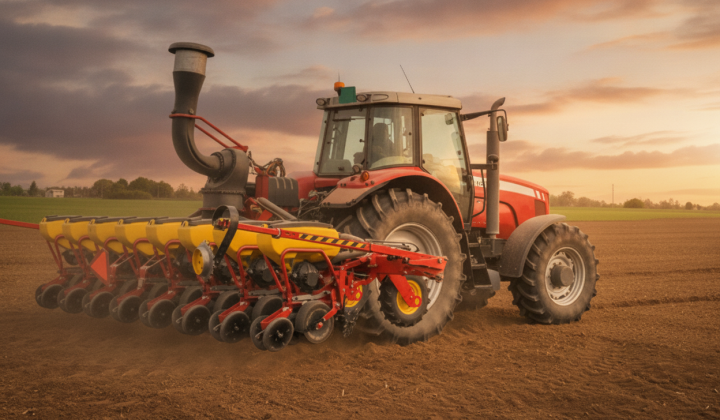
Russia's Agricultural Sector as of Late May 2026
According to Главком: By the end of May 2026, Russia had planted 42.3 million hectares out of a planned 83 million, marking the slowest sowing pace since 2018. Spring wheat was sown on 7–7.1 million hectares instead of the intended 10.5 million, a 12% decline compared to the previous year. The sluggish progress is primarily due to conditions in the Volga region, Siberia, and parts of the southern districts.
The Russian government forecasts a grain harvest of 146–150 million tons in 2026, up from 141 million tons collected in 2025. However, the agricultural landscape is growing more challenging due to a sharp rise in diesel prices, which have surged 35% over the past two months to 87–90 rubles per liter. The most severe fuel shortages are occurring in the Belgorod, Bryansk, and Samara regions, where deliveries are delayed by an average of four days.
Financial Struggles for Farmers
In the first quarter of 2026, the share of profitable agricultural enterprises fell to 68.6%, down from 77.9% a year earlier. The proportion of unprofitable farms rose to 31.4%, while profits in crop and livestock farming dropped by 22.5%. Losses among agricultural enterprises increased 1.6-fold, and in the Rostov region, the average profitability of agricultural producers turned negative.
'These figures look overly optimistic even under a normal season, but this season is far from normal.' Foreign Intelligence Service
Russian Deputy Prime Minister Alexander Novak acknowledged a decline in the country's oil output in 2026. Combined with a 40% drop in federal budget revenues-driven by the prioritization of military spending-this threatens the financial stability of the agricultural sector. Farmers are caught in a bind: they 'cannot afford to pause and wait, nor can they pay prices that eat away at already fragile margins.'
Forecasts for a record harvest persist, but 'the means to achieve them are steadily diminishing,' signaling tough times ahead for Russian agriculture. The key drivers of these difficulties include:
- a strengthening ruble
- soaring fuel costs
- rising prices for fertilizers and machinery
These factors raise serious concerns about the sector's future trajectory.
The situation in Russia's agricultural sector underscores the severe challenges confronting its farmers. Slower planting, escalating fuel expenses, and other pressures could significantly impact the country's food security. With shrinking budget revenues and problems in oil extraction, agricultural producers are under mounting strain, which may lead to further declines in output. This poses risks not only for domestic markets but also for global supply chains, given the importance of Russia's agricultural sector to the world economy.
The challenges facing Russia's agricultural sector are compounded by a significant increase in grain reserves, raising concerns about the country's ability to sustain its harvests. As farmers grapple with financial difficulties and rising costs, understanding the implications of these record-high reserves becomes crucial. For a deeper insight into the current state of grain supplies and their impact on agriculture, read more about the escalating grain stockpile situation.

Read also