Russian Tycoons Plead with Putin for Heavy Weapons Amid Drone Onslaught

Business Leaders Appeal to the Kremlin
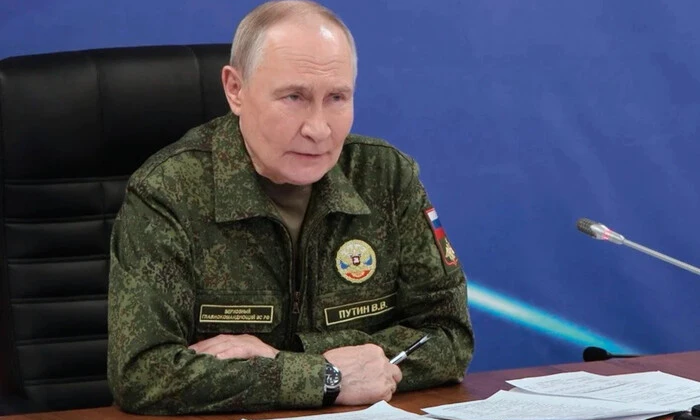
According to Главком: Top figures in Russia's corporate sector, acting through the Russian Union of Industrialists and Entrepreneurs, have formally asked President Vladimir Putin to authorize the deployment of large-caliber weaponry and to permanently assign reservists to guard industrial facilities against drone strikes. The request was made during a Kremlin meeting between union head Alexander Shokhin and Putin. Shokhin explained that while companies are already taking independent steps to protect their assets, there is an urgent need to resolve legal and logistical issues around supplying arms-not just small firearms but also more powerful systems.
Drone Attacks Deliver a Heavy Blow to Business
By the end of 2025, Ukrainian drone strikes on oil refineries had inflicted over 1 trillion rubles (approximately $12.9 billion) in losses on Russian oil companies. Fresh satellite imagery has revealed the extent of devastation at the Ryazan oil refinery following a drone attack on May 15, which knocked out between 90% and 100% of the plant's refining capacity.
Shokhin also pointed out that reservists assigned to protect facilities are frequently redeployed, disrupting their duties.
“No sooner do they start guarding a site than new tasks arise,”
he stressed. Russian businesses are now pushing to have reservists permanently tied to specific enterprises to ensure consistent security.
This appeal to the president highlights the mounting pressure on Russia's economy from ongoing military operations and security threats to industrial assets. The staggering financial toll of drone attacks underscores the critical need for stronger defensive measures to maintain stability in key sectors. Assigning reservists to fixed posts at enterprises could prove a vital step in safeguarding strategic infrastructure and reducing business risks during wartime.
The situation in Russia is not unique, as businesses in Ukraine are also facing severe threats from ongoing military actions. The silence from Washington regarding the vulnerability of U.S. companies in the region raises concerns about the broader implications of these conflicts on international trade and security. Understanding the challenges faced by businesses in both countries can provide valuable insights into the economic impact of warfare.

Read also