Russia’s Central Bank Takes EU to Court Over Frozen Assets

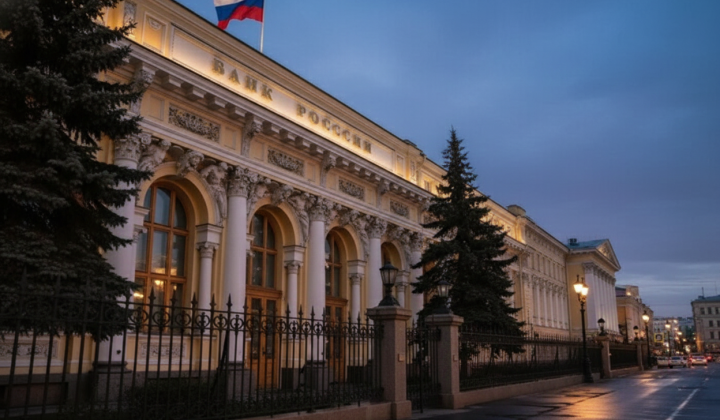
Russia’s Central Bank Files Lawsuit Against the European Union
According to Главком: The Central Bank of the Russian Federation has lodged a legal challenge with the European Union’s top court. The dispute targets an EU regulation that permits revenue from frozen Russian assets to be used for financial aid to Ukraine. This lawsuit focuses on the macro-financial assistance package for Ukraine covering 2026–2027. Following Russia’s full-scale invasion of Ukraine, Western nations froze roughly $300 billion in Russian central bank reserves, most of which are held at the Euroclear depository in Belgium.
EU Stance and Response to the Lawsuit
The European Union and G7 countries have agreed on a mechanism to channel profits from these frozen funds toward Ukraine’s reconstruction and military needs-without confiscating the principal amount. In response, Russia’s Central Bank has voiced objections, arguing that
the regulation implies that repayment of the loan provided to Ukraine could be made using the assets of the Bank of Russia.
It claims this amounts to an illegal and covert use of assets as loan collateral and/or a step toward legitimizing the expropriation of sovereign funds.
Separately, a Moscow arbitration court ruled in favor of the Central Bank of Russia in a case against Euroclear, demanding $249 billion. However, Euroclear has officially stated that the Russian central bank’s assets will remain frozen. The depository also refuses to recognize the jurisdiction of the Russian court and continues to comply with all international sanctions imposed on Russia. The EU maintains its unwavering position in supporting Ukraine, despite the legal disputes arising over the frozen assets.
This lawsuit by Russia’s Central Bank highlights the broader legal and financial tensions triggered by international sanctions against Russia. The response from the EU and G7 underscores their commitment to backing Ukraine, which could shape future developments in the region. Cases involving frozen assets may lead to prolonged legal battles with implications for the global economy and international relations.
As the legal battle unfolds, the situation remains complicated by Euroclear's firm stance on maintaining the freeze on Russian assets, despite a recent ruling from a Moscow court. This ongoing conflict underscores the intricate dynamics between international financial regulations and geopolitical tensions. For more insights on Euroclear's refusal to lift the asset freeze, see our detailed coverage here.

Read also