Russia faces a debt crisis after the war: public debt could reach 70% of GDP

Economic challenges for Russia after the end of hostilities
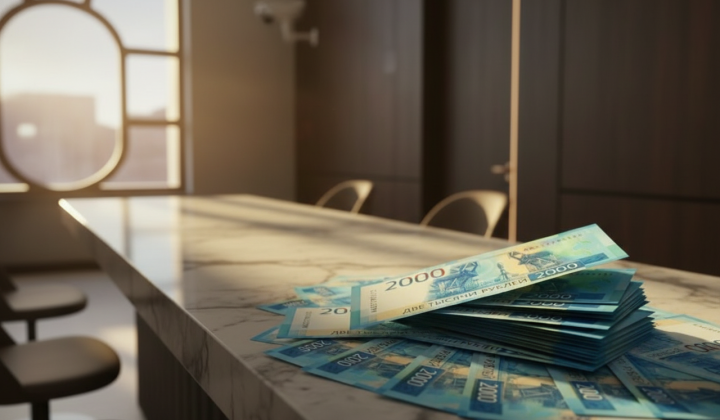
According to ХВИЛЯ: After the possible end of hostilities, Russia faces serious economic challenges related to debt obligations arising from military expenditures. It is predicted that the country's public debt may rise to 70% of gross domestic product (GDP) by 2042. Already, the costs of servicing the debt exceed pre-war levels by twice, indicating increasing pressure on the economy.
In 2025, Russia issued government bonds worth 7.9 trillion rubles, which is part of a strategy to cover rising expenses. The country's military expenditures are 7.3% of GDP, and total defense spending in the same year is estimated at about 15.8 trillion rubles. In the context of such expenses, the country's reserve fund will shrink to 1%, which could complicate funding for other important sectors of the economy.
Possible radical measures
Economic experts, such as Andrei Belyusov, emphasize that the situation may require radical measures. Specifically, decisions may be introduced regarding:
- increasing taxes for individuals and businesses;
- cutting social expenditures;
- funding national projects;
- continuing to increase borrowing at high interest rates (16-20% per annum).
All of this indicates that Russia's economy after the war will remain under significant debt pressure, and the need to address these issues will become a priority for the state.
The growing public debt and high defense spending could significantly impact Russia's economic stability in the coming years. In the context of a shrinking reserve fund and potential changes in tax policy, the state may need to find a balance between funding military needs and social expenditures. This could lead to social tension as the population and businesses may feel the effects of increased taxes and reduced state spending on social programs.

Read also