Ukraine’s Intelligence Reveals Internal Structure of Russian Laser Weapons Research Institute

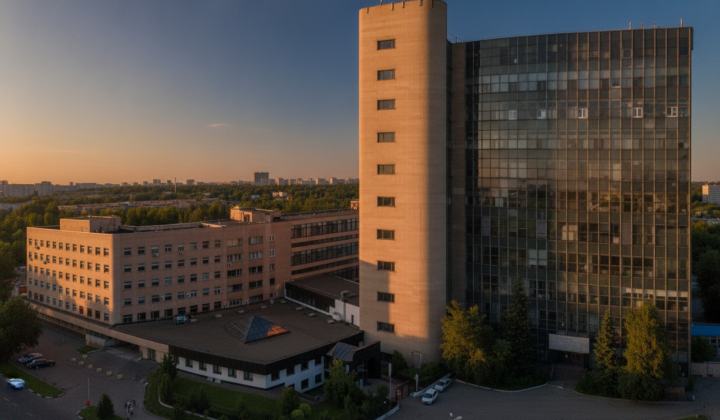
Inside the 'Polyus' Research Institute
According to Главком: Ukraine’s Main Intelligence Directorate (HUR) of the Ministry of Defense has released detailed information about the organizational structure of Russia’s 'Polyus' Research Institute. This state-owned enterprise focuses on developing laser and optoelectronic systems for Russian military hardware. The institute is led by Yevgeny Kuznetsov and employs over 2,000 people.
Formally known as the M. Stelmakh 'Polyus' Research Institute, it operates as a joint-stock company under the state corporation Rostec. The institute plays a critical role in building systems used across multiple branches of the Russian military, including:
- missile weaponry
- unmanned aerial vehicles (drones)
- aviation
- artillery systems
- armored vehicles
Ukrainian military intelligence emphasizes that 'Polyus' is a key player in Russia’s high-tech weapons production and, as a result, is considered a legitimate military target for Ukraine’s security and defense forces. Additionally, Ukrainian intelligence has obtained information about the institute’s employees.
Foreign Intelligence Findings
Ukraine’s Foreign Intelligence Service (SZR) has also obtained materials concerning fuel shortages, logistics breakdowns, and administrative issues in Crimea. The intelligence service gained access to internal Russian documents that include assessments of public sentiment within Russia. Furthermore, preparations for a potential expansion of aggression against Ukraine have been observed in Belarus.
This information underscores the critical role of intelligence for Ukraine amid the ongoing armed conflict with Russia. - Source: Main Intelligence Directorate of the Ministry of Defense of Ukraine
Knowledge of key military assets like the 'Polyus' institute enables more effective operational planning. Analyzing internal documents and gauging Russian public opinion provides valuable insights for shaping counter-aggression strategies. These developments reflect an intensification of military and intelligence efforts on both sides, signaling a prolonged conflict with potential for further escalation in the region.

Read also