Ceuta border crisis pushes Sánchez to call urgent meeting of Spain's National Security Council

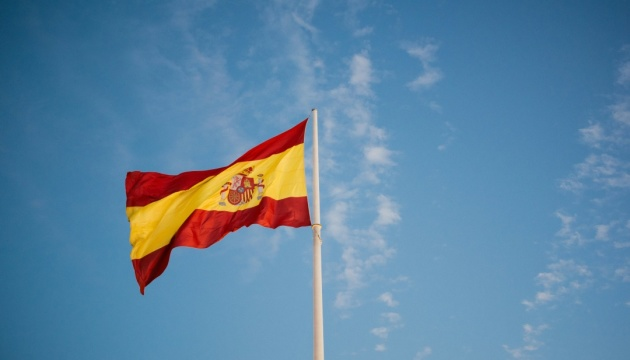
Spain's National Security Council holds emergency session
According to Укрінформ — Мігранти: Spanish Prime Minister Pedro Sánchez has convened an urgent meeting of the National Security Council in response to the migration emergency unfolding in Ceuta. The session is scheduled for Tuesday at 8:30 a.m. at Madrid's Moncloa Palace, coming 26 days after a massive border breach from Morocco saw tens of thousands of people surge into the North African Spanish enclave. It marks the first time Sánchez has activated the council on an emergency basis; its membership includes a portion of the cabinet along with top defense and intelligence officials.
What triggered the crisis and how it unfolded
The situation in Ceuta escalated in late July, when nearly 50,000 migrants crossed the border from Morocco in a single day. Overwhelmed border forces were unable to contain the influx, prompting Spain to deploy military personnel. Sánchez, speaking from Ceuta, described the border crossings as an attack on Spain's territorial integrity. Although the majority of migrants have since gone back to Morocco, around 5,000 people remained in Ceuta as of August 13. Spain's Interior Ministry reports that more than 48,300 individuals who entered Ceuta illegally have been sent back across the border.
Antonio Maíllo, leader of the left-wing party Izquierda Unida, has urged Sánchez to rethink Spain's relationship with Morocco, calling the situation "extremely serious." Cuca Gamarra offered her own criticism:
"First, holidays. Then, national security."
The Spanish government is continuing its efforts to address the needs of migrants still in Ceuta amid the broader crisis. Ceuta has long been a key flashpoint for migration into Europe, and the latest events have sharpened attention on border enforcement there and across the continent.
With migration pressures mounting, Spain now faces challenges that could shape both its domestic agenda and foreign policy. The decision to hold an emergency security meeting underscores how grave the situation has become, and how urgently officials are seeking to restore stability in the region. The relationship with Morocco is likely to be central to any long-term strategy aimed at preventing future crises, as Ceuta has become a symbol of Europe's wider migration-control struggles.
The ongoing crisis at the Ceuta border highlights the complex geopolitical relationship between Spain and Morocco. This situation has prompted Spain to firmly reject Morocco's claims over Ceuta and Melilla, further complicating the matter as both nations navigate the implications of migration and territorial integrity. Understanding these dynamics is crucial as the European response to migration continues to evolve.

Read also