US Sanctions Against Russia: Bulgaria Confiscates Oil Refinery, Serbia Buys NIS

US Sanctions and Their Impact on the Oil and Gas Sector in the Balkans
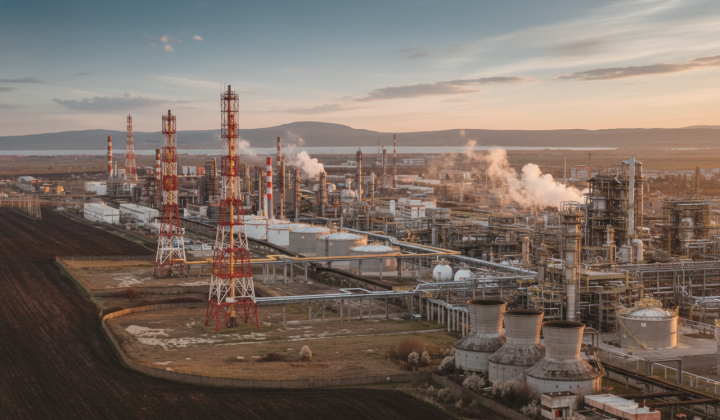
According to ХВИЛЯ: US sanctions against Russia have led to significant changes in the oil and gas sector of the Balkans. Bulgaria confiscated the Neftohim oil refinery, which belonged to the Russian company Lukoil, and Serbia is considering the possibility of purchasing the NIS oil and gas company, which is owned by Gazprom. These events have dealt a substantial blow to Russia's economic influence in the region.
The confiscation of the Neftohim refinery in Bulgaria occurred swiftly: a parliamentary committee canceled 26 years of Lukoil ownership in 26 seconds. At the same time, Bulgaria received a deferral to continue the operation of the refinery until April. The latest US sanctions against the Russian oil industry, which came into effect last month, have been a crucial factor in this process. The enterprise's manager, Rumen Spetsov, officially took over the leadership on November 17.
Prospects and Future of the Oil and Gas Sector in Serbia
In Serbia, President Aleksandar Vucic stated intentions to avoid nationalization of NIS, which has oil reserves lasting only a week. A decision on the purchase of NIS must be found by November 23. The US Treasury Department rejected commodity trader Gunvor as a potential buyer of Lukoil's international assets on November 7.
Experts note that 'the core of Russian influence is built on energy dominance through oil and gas.'
The changes taking place in the region are occurring thanks to US pressure, as 'the EU does not have such leverage.' In Ukraine and other countries in the region, the question is not whether the transition from Russian ownership will occur - 'it will occur.' Given these circumstances, further steps regarding the oil and gas sector in the Balkans remain under close scrutiny from international players.
These events indicate significant changes in energy policy in the Balkans that could lead to a reduced dependence on Russian energy resources. The confiscation of assets and potential deals with new owners open the way for a reevaluation of energy relations in the region, which, in turn, could impact global energy markets and political alliances. Observing further actions by Bulgaria and Serbia may provide insights into new trends in Europe's energy sector.

Read also