How Saudi Arabia's Oil Price Crash During the Iran-Iraq War Contributed to the Soviet Collapse

Analyzing the Fallout of the Iran-Iraq War
According to ХВИЛЯ: Political analyst Yuriy Romanenko examines the consequences of the Iran-Iraq War, which lasted from 1980 to 1988, focusing on how Saudi Arabia's decision to boost oil production impacted the Soviet economy. During this conflict, Saudi Arabia actively supported Iraq. This period was a crucial phase in Cold War geopolitics, where energy markets became a key battleground for influence.
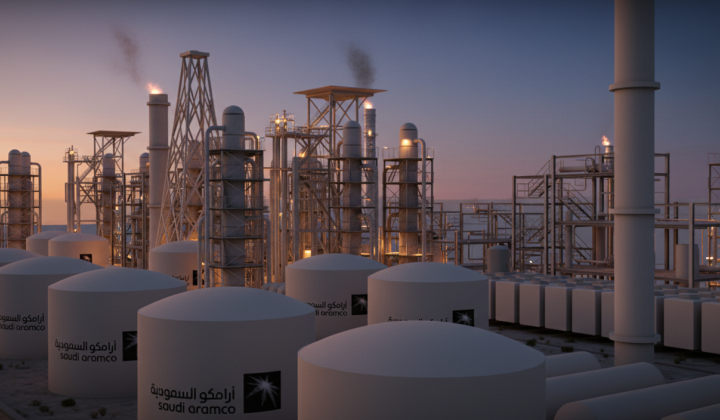
A pivotal moment for the global economy was Saudi Arabia's sharp increase in oil output during the war. This move triggered a dramatic fall in oil prices, which plummeted to around $8 per barrel. As Yuriy Romanenko notes,
"Saudi Arabia was betting on lower prices and flooded the world market with such a massive volume that the price of oil fell, it seems, to $8 per barrel."
Impact on the Global Economy
These shifts in the oil market had profound repercussions worldwide, particularly for the Soviet Union. Romanenko argues this led to severe economic problems for the USSR, resulting in a situation where
"the Soviet Union consequently vanished from the world's political map."
The analyst draws a parallel to a famous line from the film 'Brigada'-'they will shoot at me, but they will hit you'-highlighting how the conflict's consequences extended beyond the direct participants to affect other nations.
Therefore, Saudi Arabia's oil production decision during the Iran-Iraq War significantly altered the global economic landscape. It drove down oil prices and served as one of the factors that precipitated the dissolution of the Soviet Union. The Soviet economy was heavily dependent on oil exports, making it uniquely vulnerable to such a price shock.
Romanenko's analysis underscores the importance of geopolitical decisions within the context of global economic shifts. The oil price scenario of the 1980s demonstrates how the actions of a single nation can have critical consequences for others, including major world powers. This serves as a reminder of the need to monitor the oil market and its profound influence on international relations in the modern era.

Read also