Ukrainian Security Service Detains Woman from Kherson Region Who Posed as an Internally Displaced Person to Evade Capture

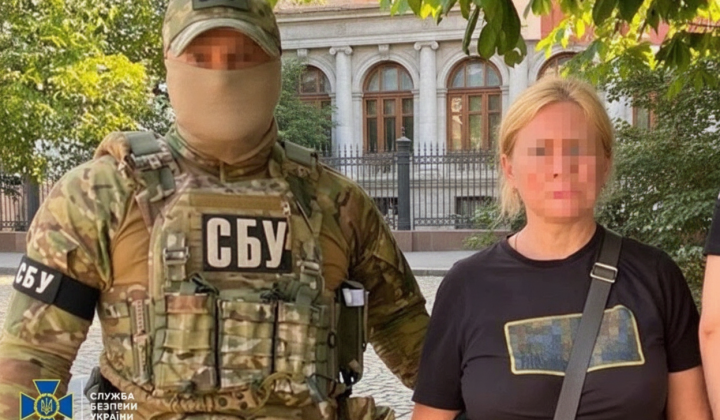
Collaborator Arrested in Kherson Region
According to Главком: The Security Service of Ukraine (SBU) has apprehended a female resident of the village of Antonivka, who backed the occupation regime and helped organize a sham referendum during the takeover of the Kherson region. After the area was liberated, she tried to hide by passing herself off as an internally displaced person (IDP). She now faces charges of collaboration, which carry a penalty of up to 10 years in prison.
The suspect, an unemployed woman from Antonivka near Kherson, voluntarily cooperated with the enemy during the temporary occupation. Specifically, she personally urged local residents to take part in the fake vote on the so-called annexation of the Kherson region to Russia. She publicly praised Russian armed forces and actively supported the actions of the occupation administration.
Law Enforcement Actions and Consequences
After Ukraine’s Defense Forces liberated the right bank of the Kherson region, the offender moved to the regional capital, where she registered as an IDP and rented an apartment. SBU operatives documented her crimes, tracked down her new location, and arrested her. During a search of her home, they seized a mobile phone she had used to spread pro-Kremlin narratives.
SBU investigators have charged the detainee under two articles of the Criminal Code of Ukraine. She is accused of collaboration, which carries a sentence of up to 10 years in prison with confiscation of property. This case underscores Ukraine’s ongoing crackdown on collaboration in occupied territories, a critical aspect of national security efforts.
This incident highlights the work of Ukrainian law enforcement in exposing and punishing individuals who cooperate with occupiers during the war. Detaining collaborators is a vital part of safeguarding national security, as it reinforces Ukraine’s commitment to protecting its territory and sovereignty. Such actions can also serve as a deterrent, encouraging public support for state institutions and rejection of collaboration with the aggressor.

Read also