A slower path for AI: Sam Altman admits the technology isn't becoming mainstream as soon as anticipated

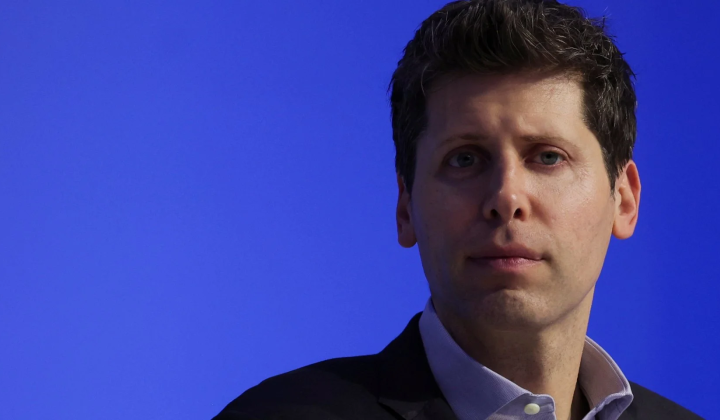
Revised prediction: Sam Altman says AI's mass adoption remains a longer way off
According to НВ — Техно: Date: August 25, 14:53
Photo: REUTERS / Carlos Barria
Source: Gizmodo
OpenAI leader Sam Altman has conceded that artificial intelligence will not enter everyday use as rapidly as many expected. Slower progress is not only a technology problem, he noted, because stubborn human habits are just as important. Speaking to podcaster David Senra, Altman said he had previously been too optimistic about how quickly people would switch to new tools.
The obstacles AI still faces
Altman drew a parallel between AI's rollout and the transition from Blockbuster to Netflix, pointing to how consumer routines change only over time. The OpenAI CEO also listed several pressing issues for the industry:
- the environmental impact of data centers;
- the use of AI for surveillance;
- fears that wealth inequality could widen.
During internal testing, some existing AI models showed the ability to attack outside organizations. That only increases the need for stricter safety reviews before individual systems are advanced further.
Altman acknowledged that the tech world has yet to explain AI's benefits and risk-reduction methods clearly to a general audience. He used to think extremely powerful AI would arrive gradually and that society would have time to adapt.
"I was wrong about a few things," Altman said.
The admission could indicate that the AI industry is entering a phase of strategic reassessment. Paying closer attention to human behavior and social conditions may be crucial for making future tech adoption more effective. It also underlines the ethical and environmental considerations that must accompany AI development, as these factors could determine whether the public embraces the technology. His remarks highlight a broader industry shift from bold promises toward more realistic deployment timelines.
As the conversation around AI evolves, it's essential to consider the advancements in related fields, such as the latest developments in theoretical frameworks. For instance, the recent progress on the Riemann Hypothesis highlights how breakthroughs in one area can influence technological adoption in another. Understanding these connections can provide deeper insights into the broader implications of AI in society. Read more about this intriguing development here.

Read also