Mammoth DNA Unearthed from 700,000-Year-Old Ground Squirrel Fossilized Droppings

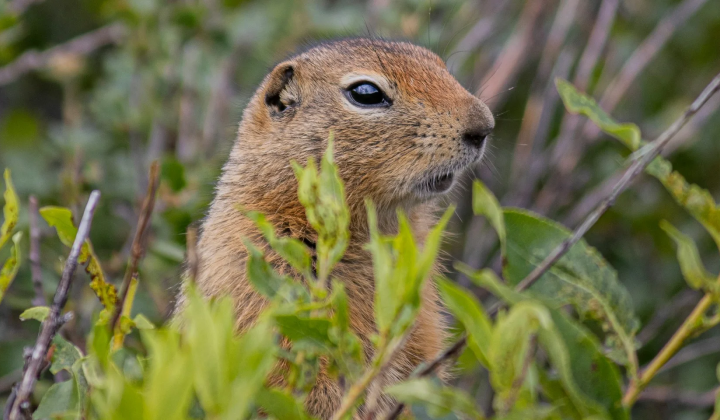
Study of Fossilized Ground Squirrel Feces
According to НВ — Техно: Canadian researchers have analyzed ground squirrel coprolites dating back up to 700,000 years. Within 13 permafrost samples, they discovered DNA from plants, insects, microbes, hares, bison, horses, mammoths, gray wolves, and large cats. Published on June 12 in the journal Nature Communications, this study spans multiple ice ages and offers a rare window into ancient ecosystems.
Lead author Tyler Murchy commented:
'Science sometimes shines brightest when it takes something ordinary, strange, or even funny and reveals that it holds a much bigger story.' - Tyler Murchy
The research team classified 18 unique mitochondrial genomes. Co-author Hendrik Poinar, an evolutionary geneticist at McMaster University, highlighted the significance of these findings:
'This helps reconstruct the paleoenvironment across much deeper time, providing insights into environmental change, megafaunal evolution, dispersal, and ultimately extinction.' - Hendrik Poinar
Significance of the Research
The recovered DNA samples range in age from 30,000 to 700,000 years old, enabling a more profound analysis of past ecosystems. The ground squirrels responsible for these fossilized droppings can hibernate for up to seven months, illustrating their adaptation to harsh conditions. The study was conducted in Canada's Yukon territory, where these unique specimens were discovered.
Ultimately, the findings not only enhance our understanding of ancient environments but also open new avenues for studying species evolution and survival amid climate change. They allow for a clearer picture of how environmental shifts influenced biodiversity in past eras-knowledge that could prove vital for modern ecological research and conservation efforts.
In addition to these groundbreaking findings, recent studies on ancient species, such as the evolutionary distinctiveness of cave lions, provide further insights into how megafauna adapted to their environments over time. This ongoing research not only sheds light on past ecosystems but also enhances our understanding of species resilience in the face of climate change.

Read also