What Follows Khamenei's Death: Iran's Future and the War in Ukraine

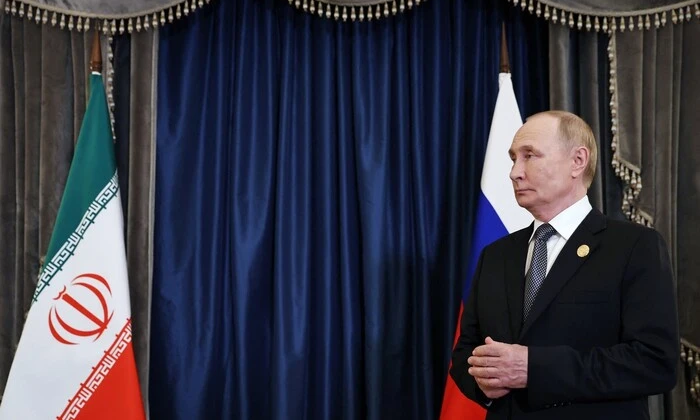
Power Transition in Iran After Ayatollah Khamenei's Death
According to Главком: The passing of Ayatollah Khamenei creates a pivotal moment for a potential power shift in Iran, raising significant questions about the country's future direction and its international relations. This leadership vacuum occurs at a time of deep regional tension and global uncertainty. Key issues now emerging include potential demands from the United States, Russia's stance on the ongoing regional conflict, and how Iranian society might react to possible unrest during this unstable period.
Reports suggest the United States may present two central demands to a new Iranian leadership:
- The dismantling of Iran's nuclear program;
- External oversight of its oil and gas sector in exchange for the lifting of sanctions.
Such conditions could profoundly reshape Iran's domestic politics and crippled economy. Concurrently, military strikes continue within the country, and major cities like Tehran appear largely deserted. A state of 40 days of national mourning and a 7-day public holiday has been declared.
Elite Factions and International Responses
Furthermore, the most hardline factions within Iran's elite, alongside Russia, could push for a maximalist approach to prolonging regional wars, adding another layer of tension. This dynamic will likely influence how Tehran responds to both international pressure and internal dissent. The situation highlights how the death of a single figure can destabilize an entire power structure that has endured for decades.
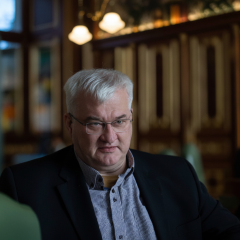
'We could have been in Iran's place' - Volodymyr Pastukhov
The post-Khamenei era indicates Iran may be on the brink of substantial transformations affecting both its domestic and foreign policy. Its relationships with key international players like the U.S. and Russia will be crucial for regional stability. Amid the potential for widespread protests and social strain, close observation of subsequent events is essential to gauge the impact on Iran's security and economic prospects.

Read also