Shrinkflation in Ukraine: How Manufacturers Secretly Reduce Package Sizes

What is Shrinkflation?
According to ХВИЛЯ: Shrinkflation is a term derived from the English words 'shrink' and 'inflation.' It describes the practice of reducing the quantity or volume of a product while keeping its price and packaging visually unchanged. Companies resort to this tactic when production costs rise, as a sharp price increase could drive customers away.
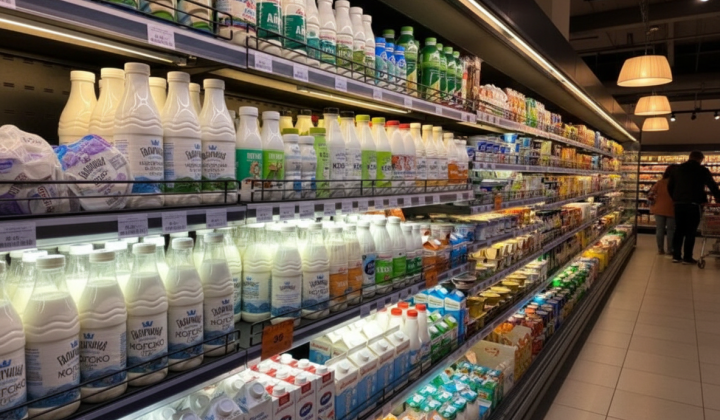
Products Commonly Affected by Shrinkflation
In practice, everyday consumer goods are most frequently subject to this hidden reduction in quantity, including:
- Dairy products
- Juices
- Bread
- Snacks
Legally, shrinkflation is not considered deceptive as long as the actual net weight is stated on the label. It only becomes a legal violation if the price tag or the front of the packaging displays one quantity, but the actual content is less.
To implement shrinkflation, companies use various methods to disguise the changes. For instance, bottles may be given a new shape that appears to hold the same volume, while the real weight is printed in small font on a low-contrast background. Consequently, experts advise consumers to carefully examine product composition and labeling, especially when choosing items like oil and milk, to avoid overpaying for reduced portions and to steer clear of counterfeit goods.
While Ukraine's food retail sector remains one of its most stable industries, the phenomenon of shrinkflation is causing concern among consumers who may not notice these hidden reductions in product weight. This global economic strategy has become more prevalent as businesses worldwide grapple with rising input costs.
Shrinkflation is a significant aspect of the modern market, reflecting how businesses adapt to economic conditions where rising production costs can lead to price instability. It is crucial for consumers to be aware of these changes, as they can impact household budgets and purchasing decisions. Maintaining honesty in product labeling is key to preserving trust between manufacturers and consumers.

Read also