Climate Change Threatens to Send Prices Soaring for These 7 Key Foods

How Climate Change is Impacting Crop Yields
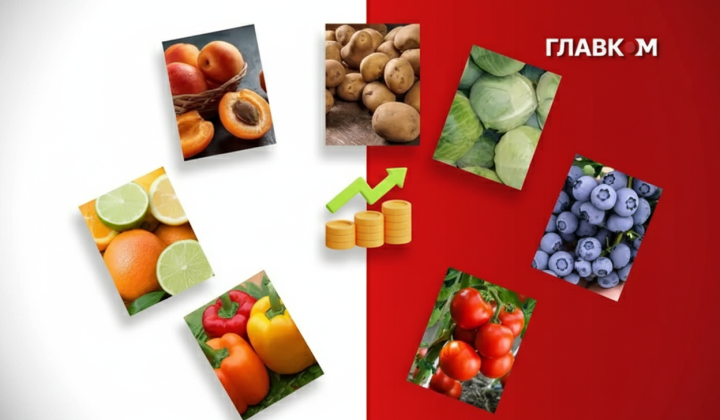
According to Главком: Analysts from the specialized publication EastFruit have identified seven food items likely to experience sharp price increases due to the effects of climate change on harvests. This list includes:
- tomatoes
- potatoes
- peppers
- leafy greens
- berries
- citrus fruits
- stone fruits (like peaches and plums)
The research indicates that abnormal weather conditions, including rising temperatures, drought, and late spring frosts, are significantly affecting the growth and yield of these crops. For instance, when temperatures exceed 35°C (95°F), tomato plants experience a severe drop in fruit set, leading to major losses. Drought years in Europe have already cut potato production by millions of tons. Extreme heat in Peru caused a sharp decline in blueberry harvests and triggered spikes in global prices. Late spring frosts in Europe regularly lead to losses of 50–70% of stone fruit harvests in some regions, highlighting agriculture's vulnerability to climate shifts.
Price Volatility in Ukraine's Vegetable Market
Recent market data from Ukraine shows a significant drop in trading activity for vegetables commonly used in traditional dishes like borscht. Sales of table beets have fallen substantially, with root vegetables being offered at 3–8 UAH/kg ($0.07–0.18/kg) before the weekend, an average of 19% cheaper than at the end of the previous work week. Furthermore, a new wave of price reductions has hit onions in the Ukrainian market.
At the same time, greenhouse tomatoes in Ukraine have become significantly more expensive due to a market shortage and reduced imports, particularly from Turkey. By the end of the week, tomatoes were selling for 120-140 UAH per kilogram, roughly 10% higher than before. These factors suggest that climate-related disruptions are already beginning to affect market conditions, and food costs could rise substantially in the near future. This volatility demonstrates how local markets are increasingly exposed to global climate and trade pressures.
The climate-driven rise in agricultural product prices carries serious consequences for both consumers and producers. Consumers may face higher food costs, while producers could be forced to adapt their farming methods to cope with new conditions. This may also lead to reduced availability of certain products, impacting the overall state of food security in Ukraine.
The ongoing fluctuations in the vegetable market highlight the interconnectedness of climate change impacts and supply chain issues. For example, the recent surge in tomato prices due to import reductions further illustrates how these factors can exacerbate food costs. Understanding these dynamics is crucial for consumers and policymakers alike as they navigate the challenges posed by a changing climate.

Read also