Iran’s Grip on the Strait of Hormuz Puts 20% of Global Oil at Risk—and the U.S. Has No Easy Answer

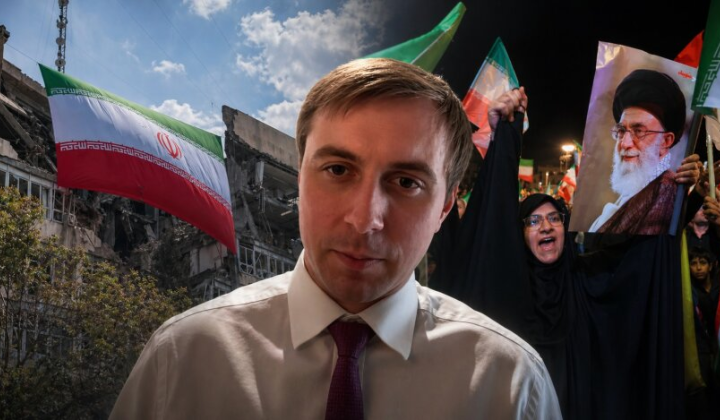
Breaking Down the Standoff: Iran and the Strait of Hormuz
According to ХВИЛЯ: Jack Watling, a senior research fellow at the British think tank RUSI, has examined the dynamics surrounding Iran and the Strait of Hormuz. He argues that the United States cannot achieve its objectives through military force because Tehran controls this vital waterway, through which roughly 20% of the world’s oil flows. Iran can threaten maritime traffic, endangering the global economy. As Watling noted,
“If they can do it, they hold the entire global economy hostage.”
Despite having a clear military advantage over Iran, the United States finds itself in a constrained position. Tehran dominates the Strait of Hormuz, a passage that also carries a large share of the world’s fertilizers, natural gas, and refined fuels. Watling emphasizes that the Islamic Revolutionary Guard Corps does not need to destroy every vessel-just the credible threat of disruption is enough to maintain control.
U.S. Military Strength vs. Economic Fallout
The U.S. can reduce Iran’s ability to strike shipping by hitting launch sites and seizing islands. At the same time, the U.S. Navy can escort civilian convoys, but its actions remain indirect.
“The U.S. is not trying to directly open the strait. Instead, they act indirectly, telling the Iranians: we will inflict so much damage in other areas that you must capitulate,”
Watling said.
The situation in the Persian Gulf is causing lasting damage to oil infrastructure, and businesses worldwide are increasingly investing in alternatives due to prolonged instability. Iran has faced attacks from nearly all its regional neighbors, which only deepens hostility toward it. As Watling put it,
“If you are the UAE or Qatar and you see your critical national infrastructure taking constant hits and your tourism-driven economic model collapsing, you have a serious problem with Iran.”
Both sides are now locked in a stalemate, revealing the limits of American power. Iran wants to restore deterrence by proving it can impose costs on any attacker. Watling also drew a comparison to great-power competition, pointing to the situation around Taiwan, where the risk of escalation is similarly high.
“When the U.S. committed to defending the island, the Chinese navy was weak, and the commitment cost little. The risk is that it ends very badly for everyone,”
the expert warned.
In short, the standoff over Iran and the Strait of Hormuz is a complex, multi-layered crisis with far-reaching consequences for regional and global security. Iran’s control over these strategic waters underscores the challenges the United States faces in its foreign policy-and the urgent need for new strategies to stabilize the region. Given how vulnerable the world economy is to threats in this area, how events unfold next could reshape global energy markets and international relations.
The ongoing tensions in the Strait of Hormuz have led to Iran's robust response against the increasing U.S. naval presence in the region. This escalation highlights the delicate balance of power and the potential ramifications for global trade. For a deeper understanding of Iran's strategies and the implications for international shipping, read more about Iran's reaction to U.S. military maneuvers.

Read also