U.S. Grants Iran Oil Sale License in Exchange for Strait Transit Guarantees

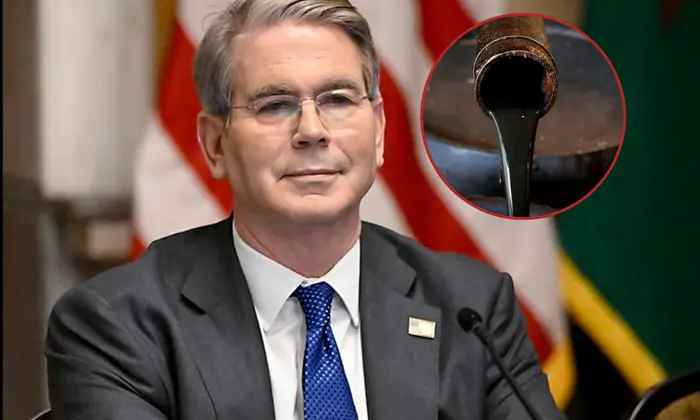
License for Iranian Oil Supply
According to Главком: The U.S. Treasury Department has issued a 60-day license authorizing the supply and sale of Iranian oil. In return, Iran committed to maintaining free and open transit through the Strait of Hormuz and to allowing inspectors from the International Atomic Energy Agency (IAEA) access to its territory. These terms were agreed upon during negotiations between Iran and the United States held in Switzerland on June 21.
Negotiations and Their Implications
U.S. Treasury Secretary Scott Bessent stated that
“as part of ongoing productive talks in Switzerland, Iran has pledged to ensure free and open transit through the Strait of Hormuz and to permit IAEA inspectors entry into the country.”
This arrangement also enabled Tehran to secure a reduction in sanctions pressure, as confirmed by Iranian Foreign Minister Abbas Araghchi, who noted that “following negotiations with the United States, Tehran achieved a relaxation of sanctions pressure and the return of a portion of its frozen overseas assets.”
However, despite the reached agreement, Iran’s Supreme Leader Ayatollah Mojtaba Khamenei has distanced himself from the deal with the U.S., signaling potential internal divisions within Iran’s leadership. U.S. President Donald Trump also expressed reservations, leaving open the possibility of resuming strikes against Iran if necessary. This situation surrounding Iranian oil and international relations thus raises many questions and warrants continued monitoring.
This development highlights the complexity of U.S.-Iran relations, where even concluded agreements can be challenged by domestic politics and external threats. The strategic importance of the Strait of Hormuz to the global economy-through which a significant portion of the world’s oil supply passes-adds further weight to this deal. Future actions by both nations could significantly shape this dynamic and overall regional stability.
As the situation evolves, the intricacies of U.S.-Iran negotiations remain a focal point for analysts. The recent developments, including the delay in decision-making by President Trump, underscore the unpredictable nature of these diplomatic efforts. For a deeper understanding of the implications of these talks, you can read more about the latest updates on the Iran deal and its potential impact on international relations.

Read also