Operation 'Freedom' Launches in the Strait of Hormuz: 15,000 Troops and 100 Aircraft Deployed by the U.S.

Mission Objectives of Operation 'Freedom'
According to Главком: The U.S. Central Command (CENTCOM) has announced the start of Operation 'Freedom,' aimed at clearing the Strait of Hormuz and restoring safe maritime traffic in this strategically vital waterway. A large-scale deployment of forces is set to begin on Monday, May 4, under the directive of U.S. President Donald Trump. The operation involves 15,000 military personnel, over 100 aircraft of various types, guided-missile destroyers, and unmanned aerial vehicles (UAVs) for surveillance of the area.
The Strategic Importance of the Strait of Hormuz
This narrow passage serves as a critical artery for the global economy, facilitating the transport of crude oil, petroleum products, liquefied fuels, and mineral fertilizers. CENTCOM commander Admiral Brad Cooper emphasized the mission's significance:
'Sustaining this mission is essential for regional security and the global economy. At the same time, we are maintaining a naval blockade.' - Admiral Brad Cooper
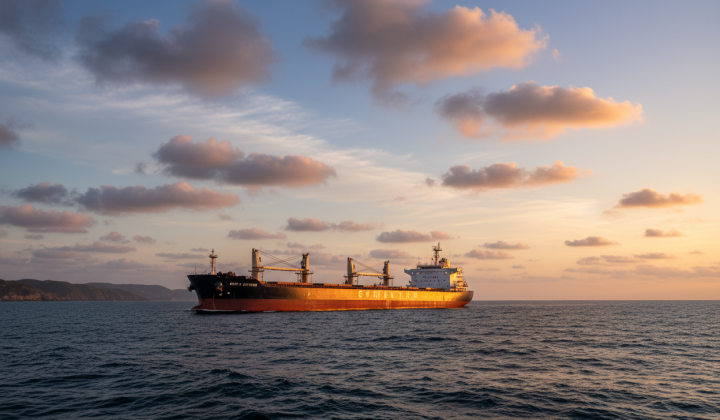
President Donald Trump also stated that Operation 'Freedom' will include a large-scale humanitarian effort to evacuate foreign vessels stranded in the Strait of Hormuz. This initiative aims to ensure stability and security in a region of immense importance to the international economy.
Operation 'Freedom' highlights the strategic significance of the Strait of Hormuz, through which approximately 20% of the world's oil passes. Given the rising tensions in the Middle East, this military initiative could have a substantial impact on global energy markets. Additionally, the inclusion of humanitarian components suggests that the U.S. intends not only to enforce military security but also to prevent potential humanitarian disasters in the area.
In addition to its military objectives, Operation 'Freedom' also encompasses a significant humanitarian mission aimed at assisting vessels caught in the Strait of Hormuz. This dual approach reflects the U.S. commitment to not only securing vital shipping lanes but also addressing potential humanitarian crises. For further details on this humanitarian initiative, visit the launch of the humanitarian mission.

Read also