Five Conditions Set by the U.S. for Iran Talks—Centered on Uranium Transfer

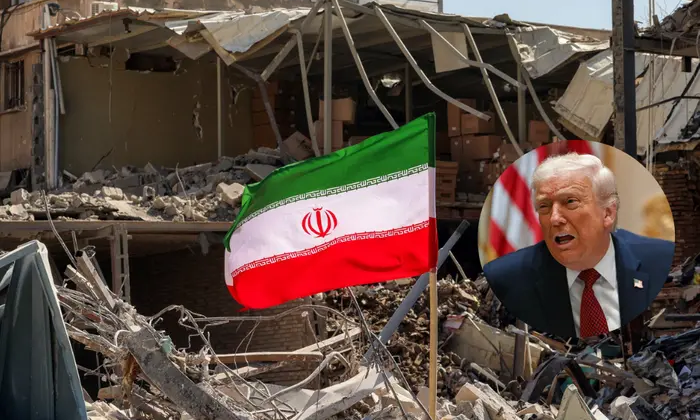
Escalating Tensions Between Washington and Tehran
According to Главком: The United States has presented Iran with five prerequisites for restarting dialogue, with the most critical demand being the handover of 400 kilograms of enriched uranium. Tehran has rejected these terms, asserting its determination to defend its own interests. U.S. President Donald Trump is weighing the option of resuming military action, potentially through a blockade of the Strait of Hormuz, a move that has raised alarm in international circles. This standoff reflects a broader pattern of heightened friction that could reshape security dynamics in the Middle East.
Washington’s demands on Tehran are notably stringent and include:
- no compensation payments of any kind;
- limiting operations to only one nuclear facility;
- refusing to unfreeze even a quarter of Iran’s assets;
- a complete halt to all hostilities.
Expressing his frustration with the negotiations, Trump described the situation as 'completely unacceptable.'
Iran’s Counter-Demands
In turn, Iran has laid out its own five conditions, which include:
- ceasing military operations on all fronts;
- lifting sanctions;
- unfreezing assets;
- paying reparations;
- recognizing Iranian sovereignty over the Strait of Hormuz.
For now, Tehran denies any willingness to part with its stockpile of enriched uranium, casting doubt on the prospects for any compromise.
Meanwhile, the Pentagon is advocating for a more aggressive stance toward Iran, proposing additional strikes in response to threats. According to NATO assessments, Iran has retained at least 60% of its pre-war missile capabilities. These findings challenge claims by Trump and Pete Hegseth that Iran’s military has been decisively defeated, suggesting that some underground nuclear sites may have survived or been quickly restored. U.S. intelligence reports indicate that Iran maintains operational access to 30 out of 33 missile installations along the Strait of Hormuz, a fact that adds to growing concerns.
The situation remains tense, and the next moves by either side could profoundly impact regional stability. Trump, commenting on the developments, insists that Iran is 'shattered,' but the reality may prove more complex.
These events underscore the escalating friction between the U.S. and Iran, with potential consequences not just for the two nations but for global security as well. As of now, both parties are holding firm to their positions, making any attempt at compromise fraught with serious obstacles. Monitoring the trajectory of this conflict is crucial, as future decisions could trigger a broader escalation across the Middle East.

Read also